What Happens When Learners Build Real Games Instead of Assignments?
Most learning experiences ask students to practice real work. Write an essay. Fill out a worksheet. Submit an assignment for a grade.
These activities can teach important skills. But they are usually simulations, work that ends when it’s assessed.
So what happens when learners are asked to build something real? Something others can play, respond to, and improve?
Decades of research on project-based learning suggest a clear answer: when learning is built around meaningful projects, students tend to do better academically and develop stronger skills in collaboration, problem-solving, and communication.
What we see through Core: Threadbare puts those findings into practice.
From learners to game studios
At different partner institutions, Core: Threadbare may run under different names, like GameLab 5.0. But the experience is the same.
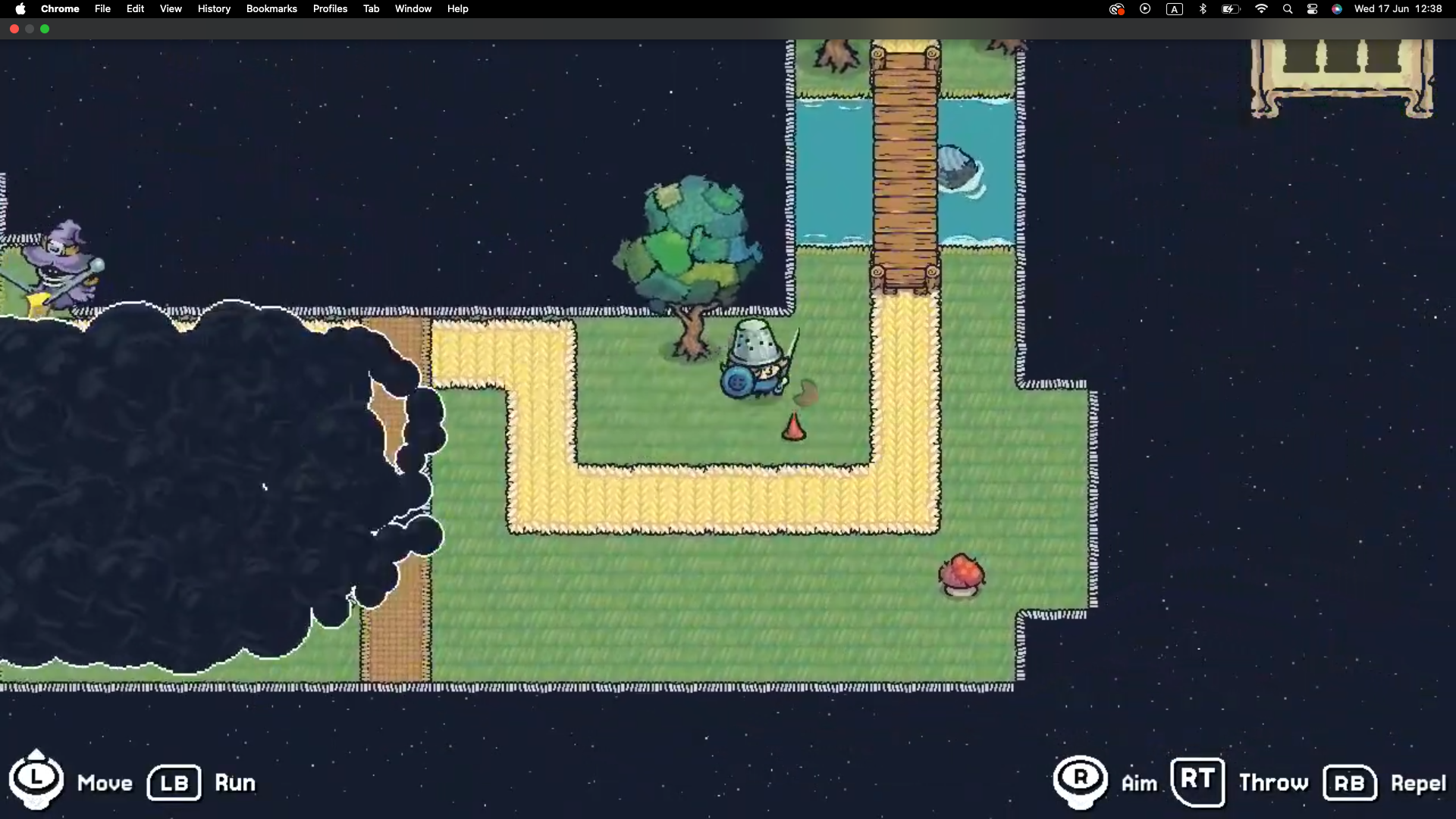
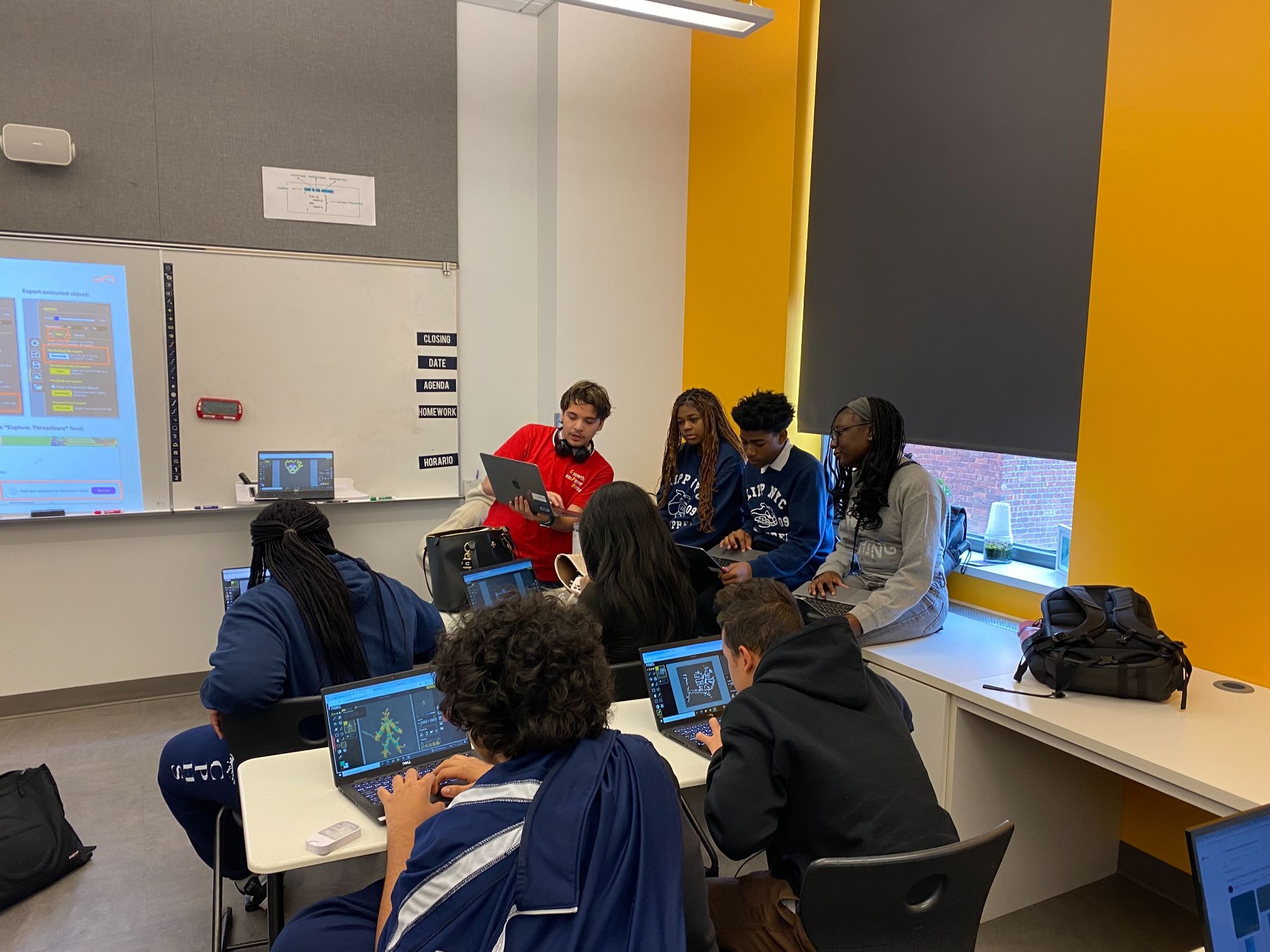
Learners work in teams to design and build StoryQuests: playable, story-driven games created inside the open-source game Threadbare. They aren’t learning about game-making in theory. They are becoming small, temporary game studios. Often, learners are placed in teams without knowing each other first. They are given real constraints:
- Limited time
- Shared tools
- Different skill levels
- One final, playable outcome
This matters. When students are responsible for a shared, real-world outcome, not just individual tasks, they are pushed to communicate, listen, and collaborate in deeper ways.
💬 “At first it was intimidating because we didn’t know each other. But once we started building, everyone found a role.”
Learners have to decide who does what, work through creative disagreements, and move forward together even when things feel uncertain. That initial discomfort becomes part of the learning, the kind of productive struggle that helps skills stick.
Learning by building StoryQuests
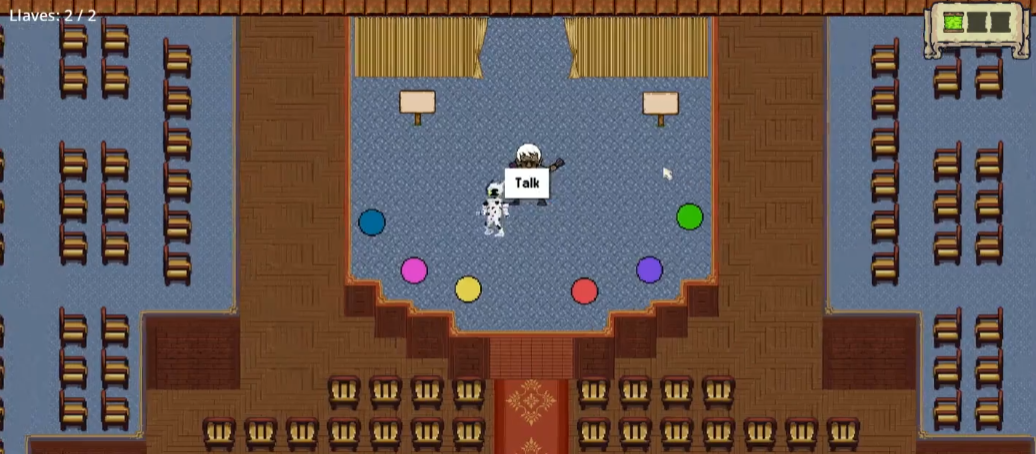
A StoryQuest is not a pretend exercise. It is a real, playable experience built using real tools.
Learners create:
- Characters and environments
- Interactive scenes and dialogue
- Simple game mechanics that support story and emotion
Rather than following step-by-step instructions, learners are given:
- A creative structure
- Access to professional tools
- Mentorship instead of answers
- A clear deadline
🎮 “It’s one thing to plan a story. It’s completely different when someone can actually play it.”
Because the work must function in the real world, learners practice skills that traditional assessments rarely capture:
- Keeping ideas realistic
- Improving work instead of starting over
- Making trade-offs when time or resources are limited
- Finishing and sharing something that isn’t perfect
These are the same skills educators and employers often say are essential, and also the hardest to teach through standard assignments.
More than technical skills
Yes, learners pick up technical skills along the way, basic programming logic, visual design, version control, and more.
But the biggest growth often happens elsewhere.
👥 “We had to explain our ideas, listen to others, and sometimes let go of plans that weren’t working.”
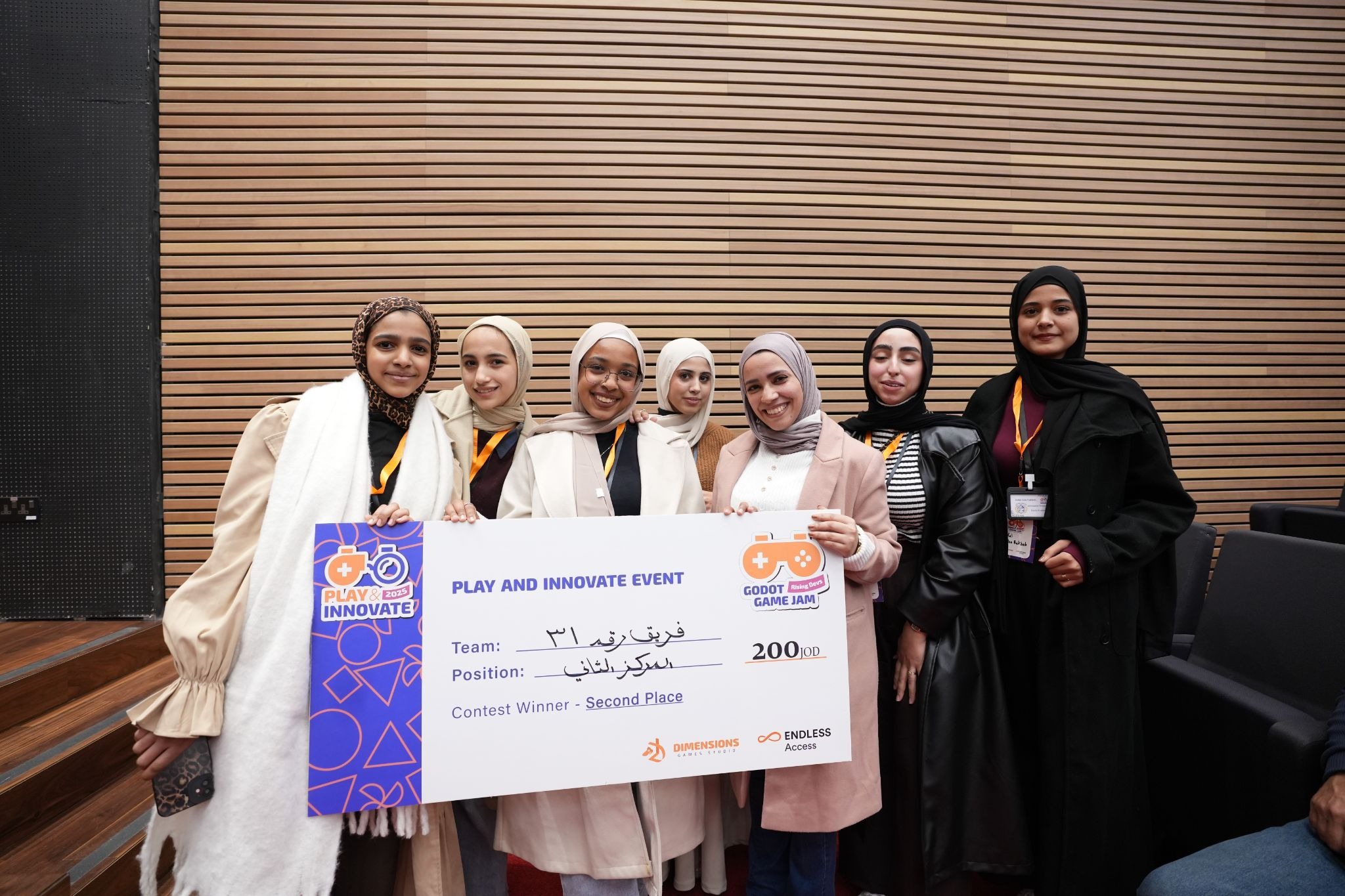
Participants come from many backgrounds: engineering, business, design, marketing, communications, and administration. No single discipline takes over.
StoryQuests become a shared space where everyone contributes:
- Writers shape narrative and pacing
- Designers create the look and feel
- Programmers bring interactions to life
Learners don’t just work side by side, they learn how their work fits together. This mirrors real interdisciplinary work and helps students feel more confident applying their skills in new settings.
Why building beats simulating
Traditional assignments are often designed for grading. StoryQuests are designed for engagement, ownership, and growth. When learners know that someone else will actually experience their work, effort and care increase.
“Knowing that someone else would actually play our game made us care a lot more about every detail.”
Mistakes stop feeling like failures and start becoming useful feedback. Learning becomes visible, to the learner, the team, and the educator. Again and again, learners describe the same shift: they stop working to “get it done” and start working because the project matters.
What educators can take from this
You don’t need a full program or a specific platform to apply these ideas. Research, and what we see in Core: Threadbare, points to a simple pattern: learning deepens when learners are trusted to build something real.
Strong learning experiences tend to:
- Ask learners to create something others can interact with
- Give learners real choices, not just instructions
- Use constraints as part of the learning
- Make time for reflection along the way
Where this leads: Core: Threadbare
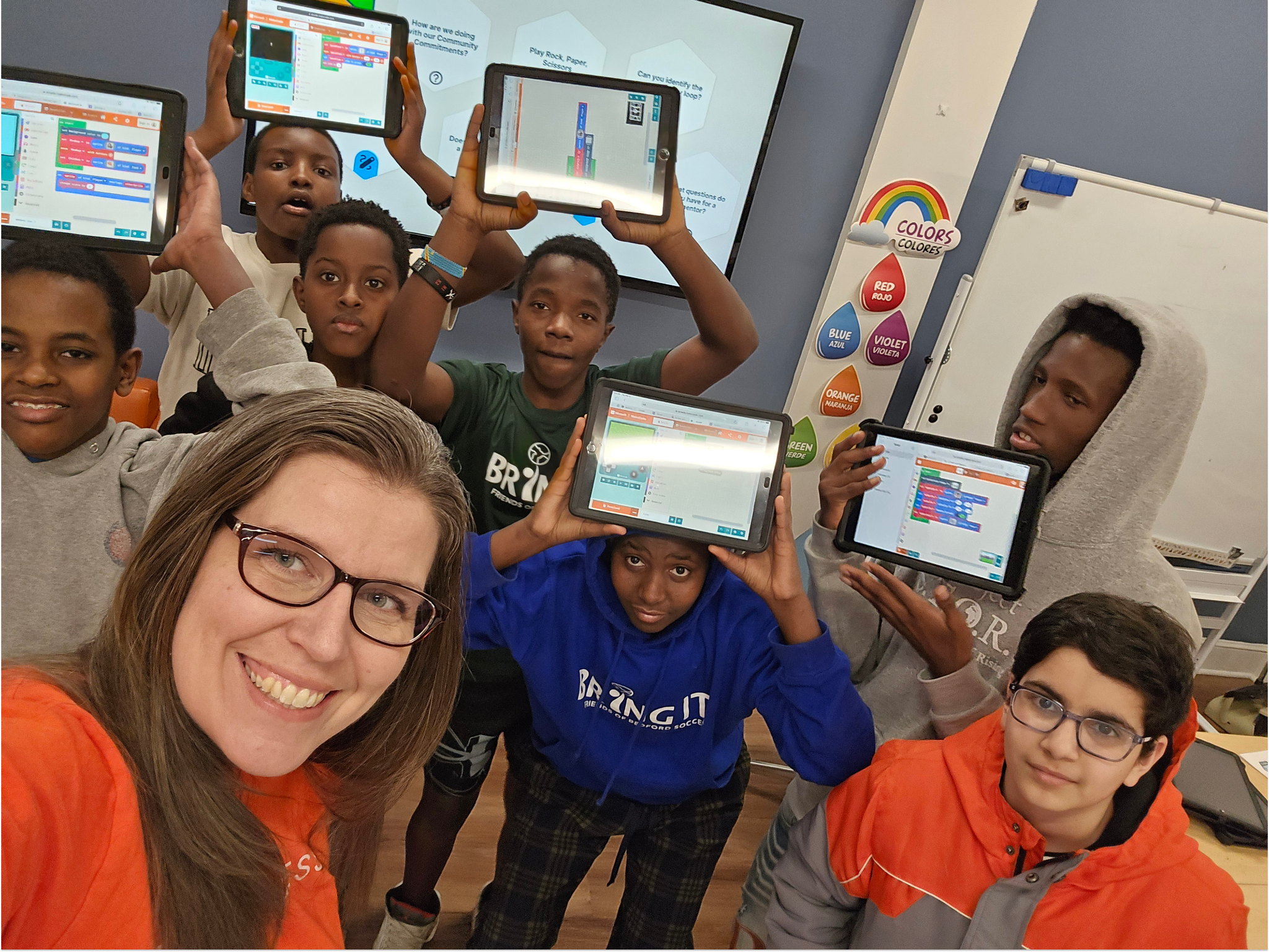
The StoryQuests shared here are not side projects. They are a central part of Core: Threadbare, an 18-session learning experience grounded in project-based and game-based learning.
The program is designed to be flexible:
- Independent educators can download materials and run sessions in classrooms, afterschool programs, or community spaces
- Institutions and partner organizations can work with Endless Access to adapt the experience to their learners, schedules, and goals
Whether it’s called Core: Threadbare or GameLab at a partner site, the impact comes from the same foundation: learners building something meaningful, together.
👉 Explore Core: Threadbare and download the materials
👉 Reach out to collaborate with Endless Access
When learners build real games, they begin to see themselves differently, not just as students completing tasks, but as creators solving meaningful problems.