Endless OS: A Conversation About What’s Changing and Why It Matters
Inside a discussion with Endless Access and Codethink on the future of Endless OS, open source collaboration, and scaling digital access.
Recently, the Endless Access team hosted a conversation to share updates on the evolution of Endless OS and the work underway on Endless OS 7. The discussion brought together leaders from Endless Access and long-time open‑source collaborators to reflect on where Endless OS comes from, why modernization is necessary, and how these changes will improve the experience for learners and communities around the world.
Who Joined the Conversation
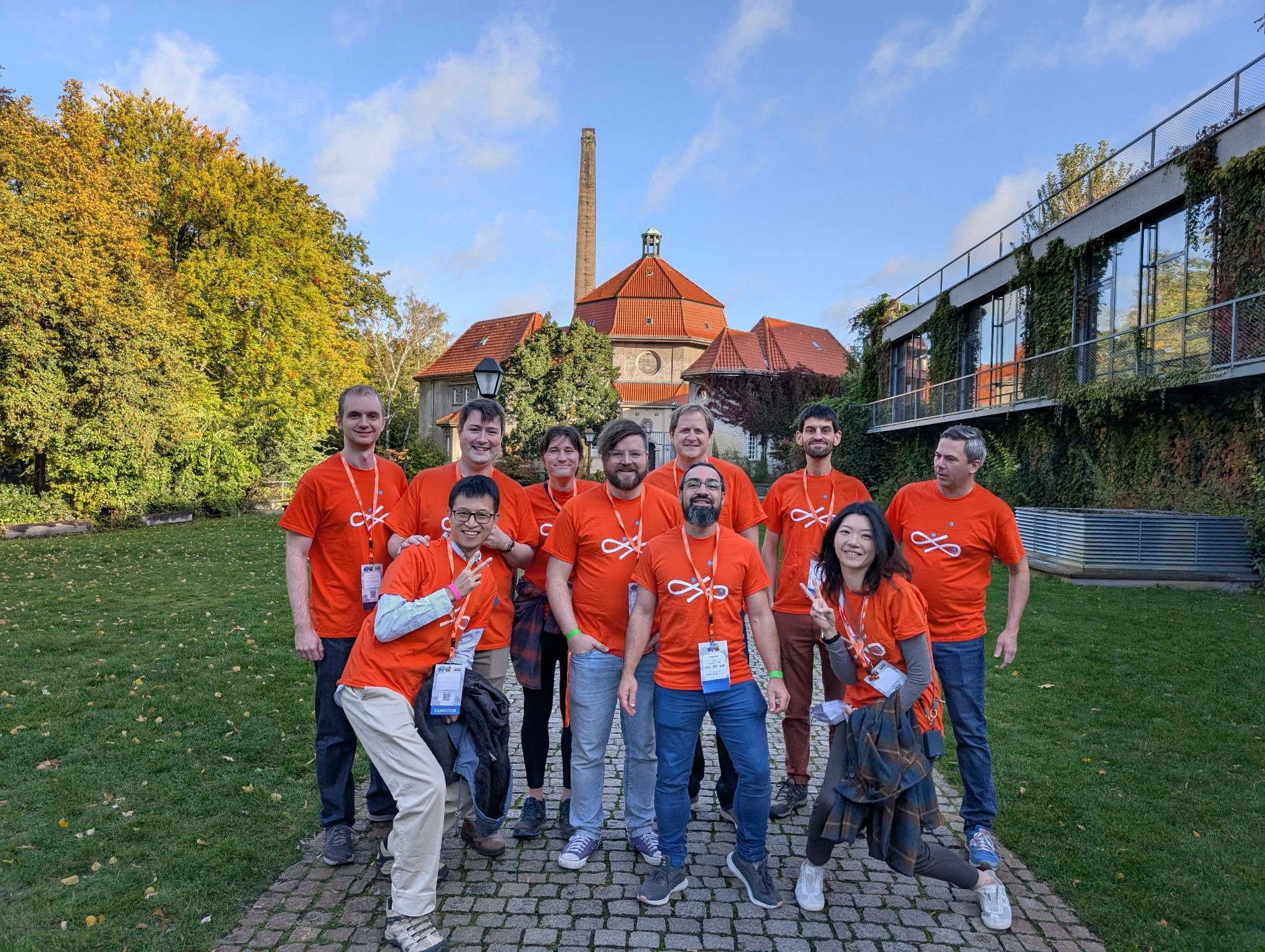
The conversation was moderated by Rodrigo Sanchez Lopez, Marketing Lead at Endless Access, and featured:
- Rob McQueen, CEO of Endless Access, who shared the long‑term vision and history behind Endless OS
- Sam Thursfield, Senior Engineer at Codethink, who discussed the technical collaboration with GNOME and BuildStream
- Mauricio Arevalo, who leads initiatives across the operating system and Device Access Program at Endless Access
Together, they explored both the technical and human impact of the next generation of Endless OS.
Why Endless OS Exists
Rob opened the conversation by grounding it in Endless Access’ mission. For more than 12 years, Endless has focused on removing barriers to digital access, especially for people without reliable internet, affordable devices, or prior experience using computers.
“If you don’t have a computer, if you don’t have internet, or if you don’t have the confidence to act in that space, then you’re a passive receiver of technology.”
Endless OS treats the computer as a gateway into the digital creator economy. By preloading large amounts of offline content and applications, it enables learning and productivity even when connectivity is limited or nonexistent. This approach matters when billions of people worldwide still lack reliable internet access, and when smartphones alone are not enough to build transferable digital skills.
The Limits of Endless OS 6
The discussion then turned to the realities of maintaining Endless OS 6. Over the years, Endless OS became highly customized, with its own user interface changes, packaging systems, and update pipelines.
“We learned the hard way that you can’t out‑code the global open‑source community.”
While this customization created a tailored experience, it also made updates slow and expensive. Endless OS 6 is built on older versions of GNOME, meaning users miss out on years of improvements in accessibility, hardware support, performance, and usability.
For first‑time computer users, even small issues can be discouraging. As Mauricio emphasized, reliability and simplicity are critical:
“Anything not working could be a blocker… and that could be a deterrent for them to continue in the program.”
What’s Different About Endless OS 7
A significant part of this shift has been shaped by the technical collaboration with Codethink and the work led by Sam Thursfield.
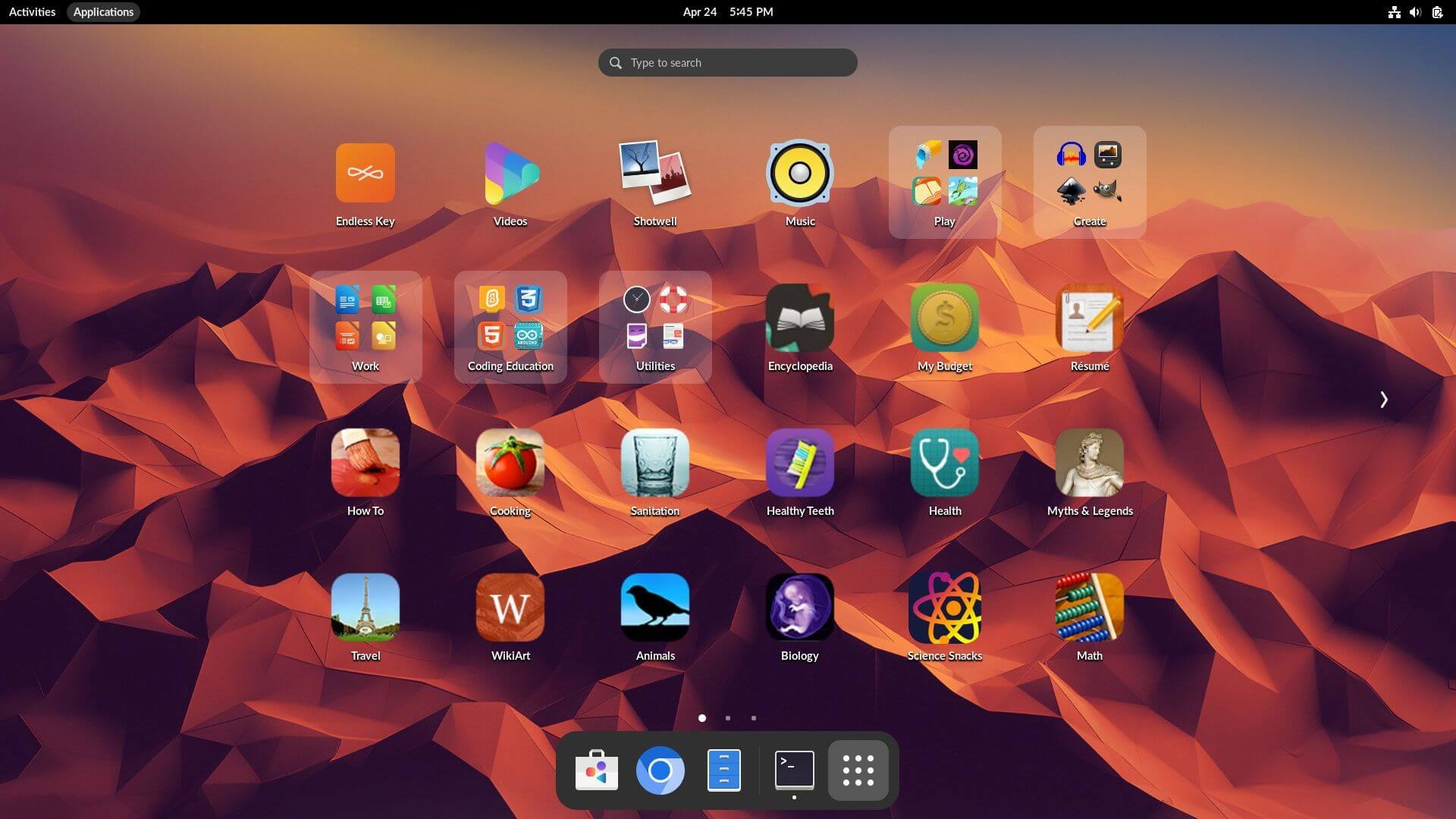
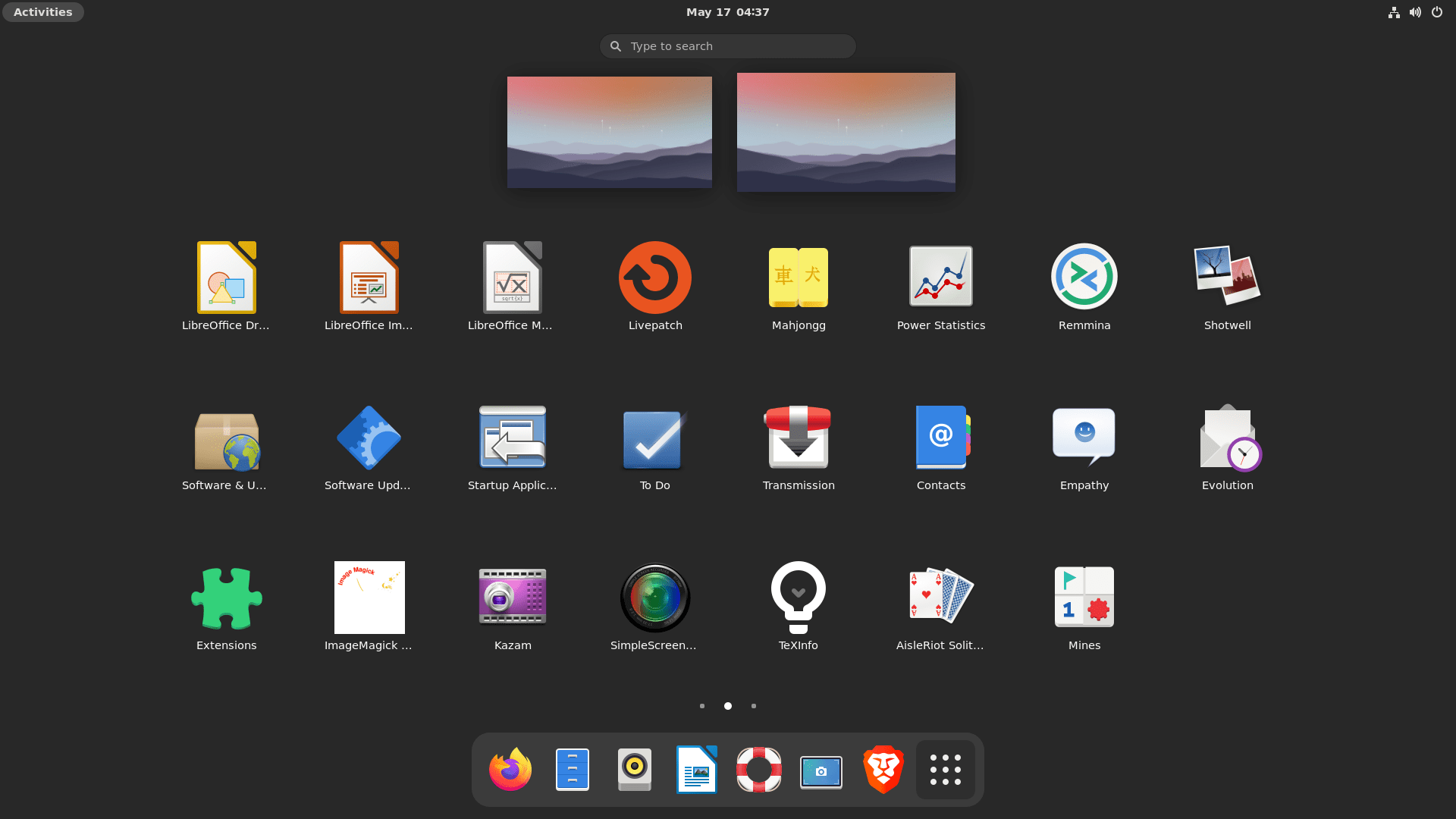
Endless OS 7 represents a major shift in strategy. Instead of heavily diverging from upstream projects, Endless OS is now built much closer to GNOME OS, the reference operating system maintained by the GNOME community.
Rob explained the change simply:
“About 95 percent of what we ship is GNOME OS. We focus our effort on the few things that really give value to Endless users.”
Those focus areas include offline content, pay‑as‑you‑go device support, usability refinements, and program‑specific needs. The system is built using BuildStream, a tool developed with significant input from Codethink and GNOME, which simplifies how operating systems are assembled and updated.
Sam described the impact of this approach and his role in guiding the transition:
“We were brought in mainly for our expertise and history with BuildStream and these complex integration problems. My role was leading the team working with the Endless OS leads to figure out the foundations of Endless OS 7. There were some tricky decisions about how we connect with GNOME, how we update Endless OS in line with GNOME, and how we bring twelve or thirteen years of Endless OS customizations from Endless OS 6 into Endless OS 7. “
A key enabler of this work is BuildStream, an open-source integration tool originally developed at Codethink and created in close collaboration with the GNOME community. BuildStream was designed to solve a growing problem in modern operating systems: how to reliably assemble, reproduce, and maintain increasingly complex stacks of software as they evolve.
Rather than managing hundreds of individual packages and custom build scripts, BuildStream allows teams to define the entire operating system as a single, reproducible build graph. This makes it easier to track changes, update components, and understand how everything fits together. For Endless OS 7, this means the team can take GNOME OS as a stable, well-maintained base and then layer Endless-specific functionality on top in a controlled and transparent way.
As Sam explained during the conversation, this approach dramatically reduces complexity and speeds up iteration, allowing Endless engineers to focus on user-facing value rather than maintaining fragile infrastructure.
“We took GNOME OS as it is, and then started cherry‑picking the parts of Endless OS 6 that really mattered.”
Why This Matters for Users
For end users, the biggest change is speed and reliability. Endless OS 7 can update more frequently, stay aligned with modern hardware, and deliver features users increasingly expect.
“If your OS development cycle is measured in years, you’re always behind,” Rob noted. “Now we can update every six months and keep pace.”
That means better support for new devices, graphics improvements, accessibility features, new parental controls and digital wellbeing features in GNOME (sponsored philanthropically by Endless), and smoother performance overall. For learners and families using Endless OS as their first computer experience, this consistency builds confidence and trust.
Scaling Access With New Form Factors
The conversation also touched on why Endless Access is experimenting with new hardware, including Raspberry Pi–based systems. Mauricio explained that affordability remains a major barrier in many regions.
“In some markets, people can only afford a fraction of the cost of a traditional laptop.”
Lower‑cost, flexible hardware options make it possible to reach more users and work with local partners to bundle peripherals like displays and keyboards. Endless OS 7’s more flexible foundation makes these experiments possible without fragmenting the platform.
A Two‑Way Relationship With Open Source
Endless OS has long contributed upstream to projects like OSTree and Flatpak, technologies now widely used across the Linux ecosystem. By aligning more closely with GNOME OS, Endless OS 7 strengthens this feedback loop.
Sam highlighted why this matters for the GNOME community, drawing on Codethink’s long-standing involvement with GNOME, BuildStream, and operating system integration:
“It’s another way for GNOME developers to get their changes tested early, by real users, on real devices.”
Rob added that staying current also makes collaboration easier:
“When you’re running software from two years ago, upstream developers can’t help you. Being closer brings everyone together.”
What’s Next
Endless OS 7 is still in progress and not yet ready for release. The work so far lays the foundation for faster iteration, broader reach, and a better experience for users and partners.
As Rodrigo closed the conversation:
“We’ll keep sharing updates as the work continues, and when Endless OS 7 is ready, we’ll have more to say.”
This evolution isn’t just about technology. It’s about ensuring that access to learning, creativity, and opportunity keeps pace with a rapidly changing digital world.