Getting Started with More: Threadbare
A Conversation with Heather Drolet
Where learners contribute directly to an open-source game and build real-world portfolios
After completing Core: Threadbare, many learners want to go deeper — to build more, specialize, contribute to real game development workflows, and develop a public portfolio that reflects their skills. More: Threadbare is designed for exactly that moment.
More: Threadbare is a flexible, advanced experience for learners who have either:
- completed Core: Threadbare or
- already have experience with Godot and Git
It can be self-guided, partner-guided, or community-led. Learners choose their path based on their interests and readiness, mirroring authentic, real-world open-source contribution.
To understand how More works and why it matters, we spoke with Heather Drolet, Director of Learning Experience at Endless Access.
What Is More: Threadbare?
Heather describes More: Threadbare as the next step for learners eager to deepen their skills:
“More Threadbear can be a facilitated experience where a group of learners come together and work on items from the backlog of the actual Threadbear game.”
But it’s not only group-based.
“As a learner, you can go in and say: I’ve done Core Threadbear and I’d like to do more. That might be a personal experience that you choose to undertake.”
More: Threadbare is intentionally open and flexible. Learners can:
- work independently
- join a guided cohort
- collaborate with partners
- contribute through the broader community
This mirrors real open-source ecosystems, where contributors join from anywhere and choose their own entry points.
What Learners Do in More: Threadbare
More is built around real contribution to the Threadbare open-source game. Learners move beyond creating self-contained story quests and begin interacting with the actual development environment used by Endless Access engineers.
Heather explains:
“This could be through creating a lore quest… or working on items directly from the backlog… or exploring a deeper domain like sound design.”
What learners might work on:
1. Real GitHub Issues
Learners contribute to issues such as:
- bug fixes
- UX or narrative improvements
- asset integration
- scripting interactions
- refactoring or optimizing small scenes
- documentation updates
- accessibility adjustments
- tilemap fixes and world polishing
- integrating Explore assets into the game
This is often their first real open-source contribution — and it lives publicly on GitHub.
2. Lore Quests
These are special story quests tied directly to core Threadbare narrative and aesthetics. They demand:
- narrative alignment
- worldbuilding consistency
- stylistic understanding
- editorial review
- collaboration with the engineering team
3. Deep-Dive Skill Exploration
Learners who discovered a passion in Core often go deeper:
- sound design
- 2D art
- tilemap and worldbuilding
- UI/UX
- coding in Godot
- narrative and character development
Heather shared:
“It could just be more exploration… like a deep dive into sound design or another domain of game making.”
More: Threadbare allows each learner to specialize at their own pace.
Why GitHub Matters
Heather is very direct:
“The game of Threadbear is hosted in GitHub… that’s where a learner can post all of their successes and have a record of contribution.”
This is key, because open-source contribution:
- builds a real, public portfolio
- demonstrates professional collaboration skills
- shows comfort with version control
- reflects problem-solving in live environments
- helps learners enter tech, creative, and digital career pathways earlier
Heather adds:
“Contribution shows experience. It shows that you can work in a real-world development environment.”
This is why GitHub is non-negotiable:
You cannot meaningfully contribute to an open-source game without using version control.
And learners rise to the challenge.
Why More Matters
To frame why this advanced step is so crucial, here are research-backed insights:
1. Open-source contribution accelerates career readiness
The Linux Foundation reports that 76 percent of hiring managers prefer candidates with open-source experience.
Source: https://www.linuxfoundation.org
2. Real-world portfolios matter more than resumes
LinkedIn and GitHub data show employers increasingly prioritize demonstrated ability over credentials.
- Public project contributions
- Version-controlled work
- Collaborative pull requests
are now among the top signals for early-career tech roles.
Source: LinkedIn Workforce Reports (https://linkedin.com)
3. Collaboration in technical environments is a top job skill
The World Economic Forum lists collaboration, teamwork, and communication as top future-of-work skills.
Source: https://www.weforum.org
More mirrors real team-based development environments — from backlog review to playtesting to iteration.
4. Real audience increases motivation and quality
Heather highlights this vividly:
“There’s something really special about your work contributing to a global game that people play.”
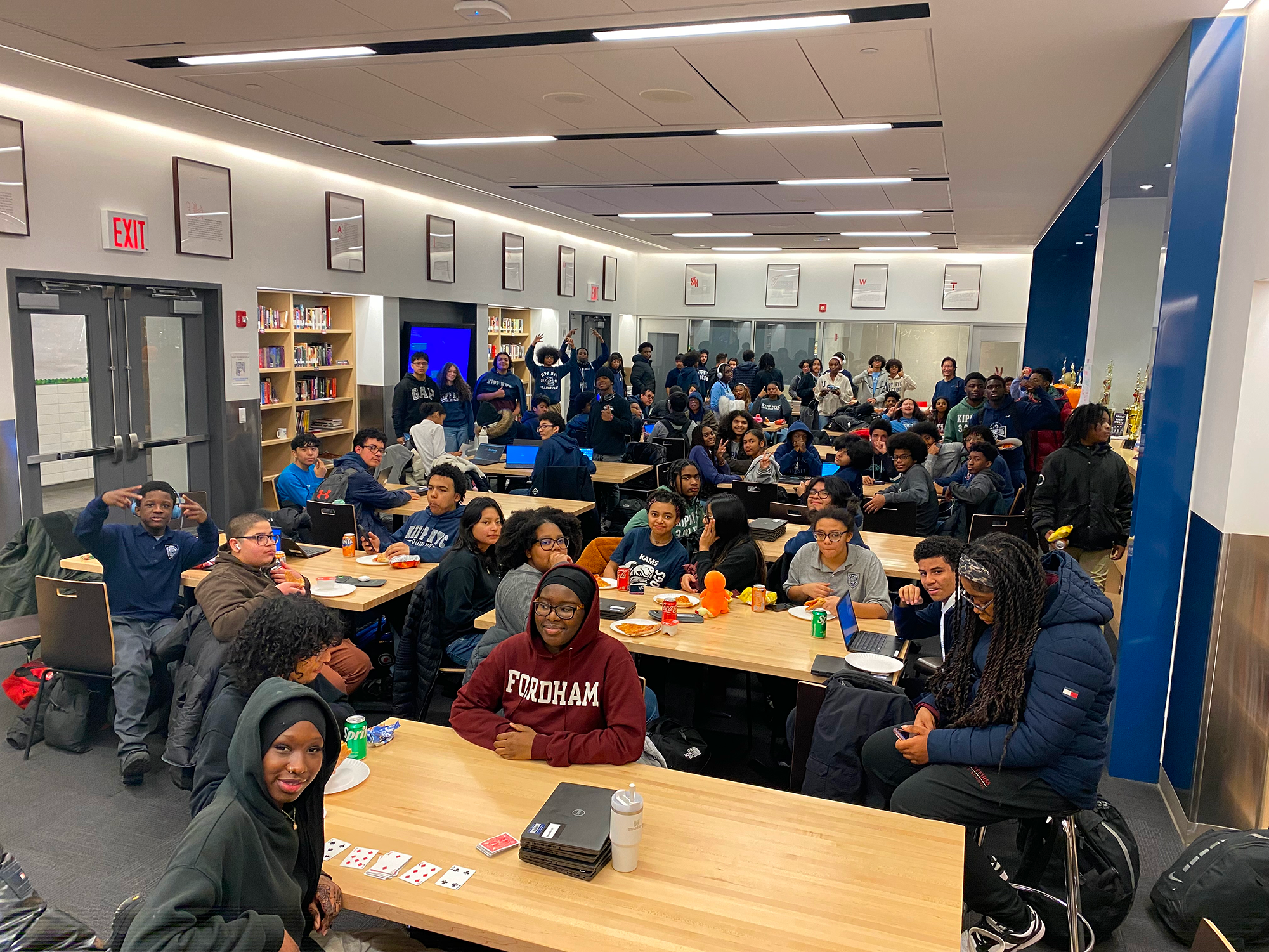
For Educators & Partners
More is more independent than Explore or Core.
Heather explains:
“It’s about giving space to the learner… It’s about mentoring, guiding, not directly teaching.”
Educators or partners supporting More need to:
- create space and time for work (recommended ~12 hours)
- facilitate communication within learner groups
- help learners practice professional habits
- allow productive struggle
- encourage collaboration without doing the work for them
This is a shift from instructor-led to mentor-supported, mirroring real dev studios.
Support is available through:
- Educators’ Discord community
- Partner support for multi-site or cohort implementations
- Online resources that help structure a More experience
Learner Transformations
More is uniquely powerful in shaping learner identity, confidence, and readiness.
"I totally recommend it to anyone who wants to start exploring the world of Game Development!" - Bayan alawneh, Learner
"I worked on a real project alongside exceptional mentors, participating in daily stand-ups and demos where I learned best development practices." - Ysamar, Learner
Themes from Heather’s conversation:
- learners feel pride contributing to a global game
- they value the authentic audience
- they learn to collaborate like developers
- they build real GitHub portfolios
- they show readiness for digital and creative careers
Heather said:
“By contributing to the game… you are proving to future employers that you are ready.”
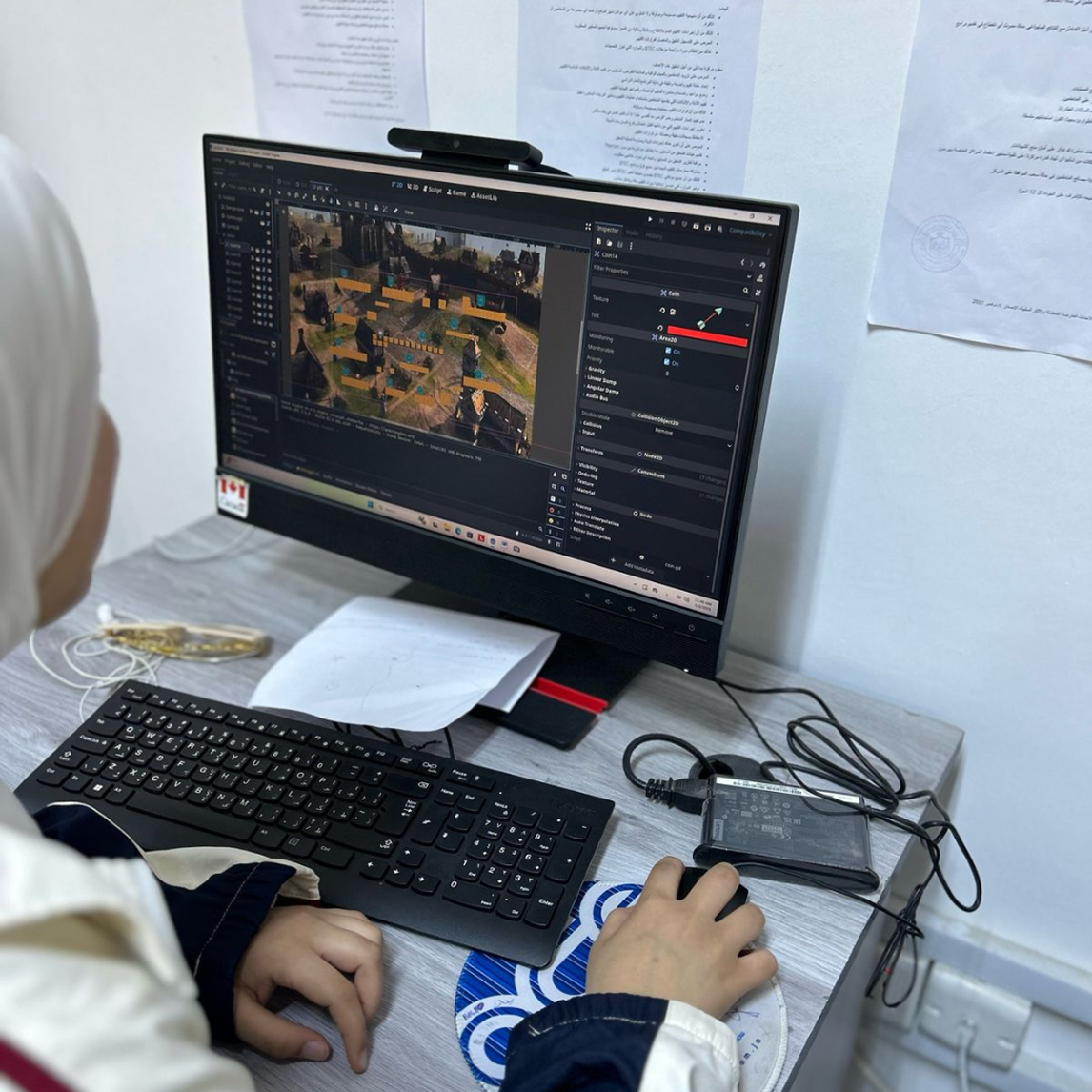
What Comes Before More
More is the third step in the Endless Access game-making pathway:
- Explore: Threadbare — first creative contribution
- Core: Threadbare — 18-session story quest creation
- More: Threadbare — open-source contribution and specialization
Learners who complete More can continue contributing long-term as community members, volunteers, or aspiring maintainers.
Begin the Next Chapter With More
More: Threadbare is where learners make the leap from classroom creators to open-source contributors. It is flexible, advanced, independent, and portfolio-building — and it connects learners directly to a global community shaping the future of Threadbare.
Visit the More: Threadbare page to explore the experience, access materials, and see how learners are contributing to the game today or partner with us to get access to more resources.