Getting Started with Core: Threadbare
A Conversation with Heather Drolet**
Where learners build complete story quests inside a professional game engine
After exploring the world of Threadbare and contributing their first asset, learners who want to go deeper step into Core: Threadbare — an 18-session learning experience where they design and build a complete, playable story quest inside a professional game engine.
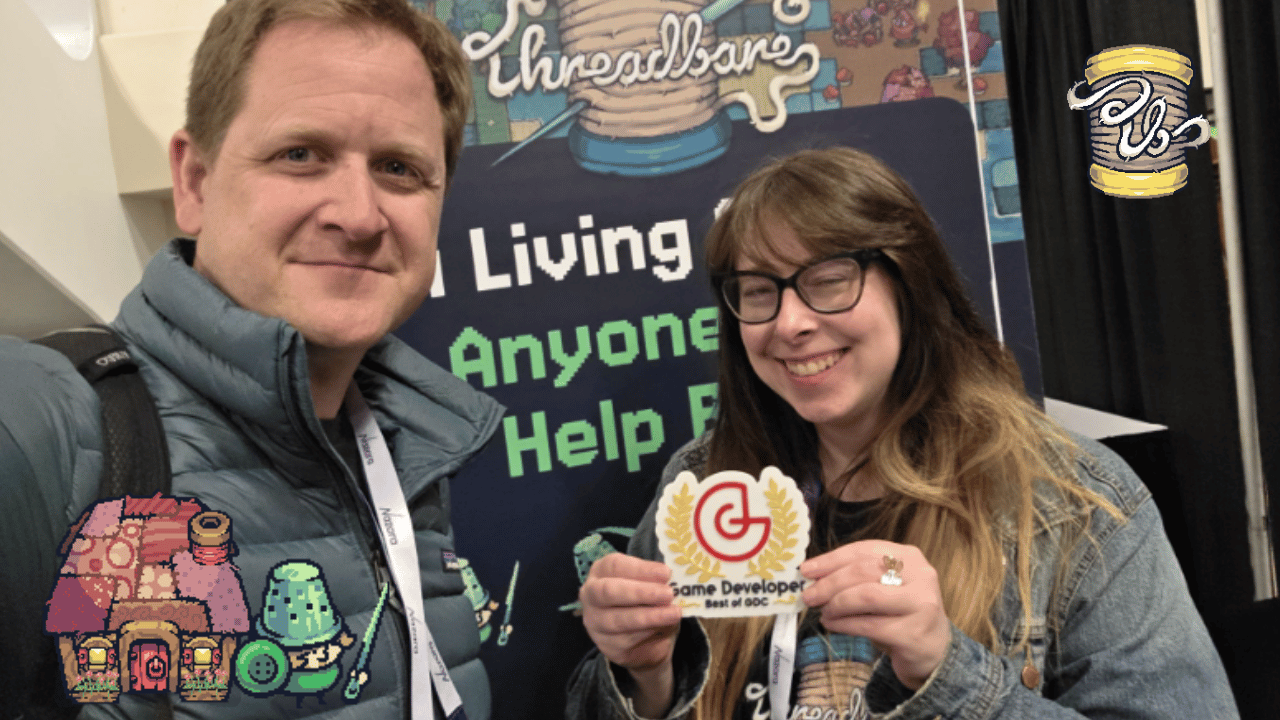
To understand what makes Core such a transformational experience, we spoke with Heather Drolet, Director of Learning Experience at Endless Access. Heather has spent more than a decade designing scaffolded learning pathways, supporting educators, and helping young people unlock confidence through creativity, storytelling, and digital making. She has guided thousands of learners across schools, afterschool programs, youth centers, and global pilots as they build their very first game experiences.
What Is Core: Threadbare?
Core: Threadbare builds on the foundation established in Explore. In the Explore pathway, learners submit their first creative contribution. In Core, they take full ownership of a multi-step, collaborative design process and transform their ideas into a playable story quest — a meaningful contribution to the Threadbare universe.
Heather described it this way:
“Core Threadbear is an experience that allows learners to move from something small they did in Explore — like a simple asset — to developing a full story quest.”
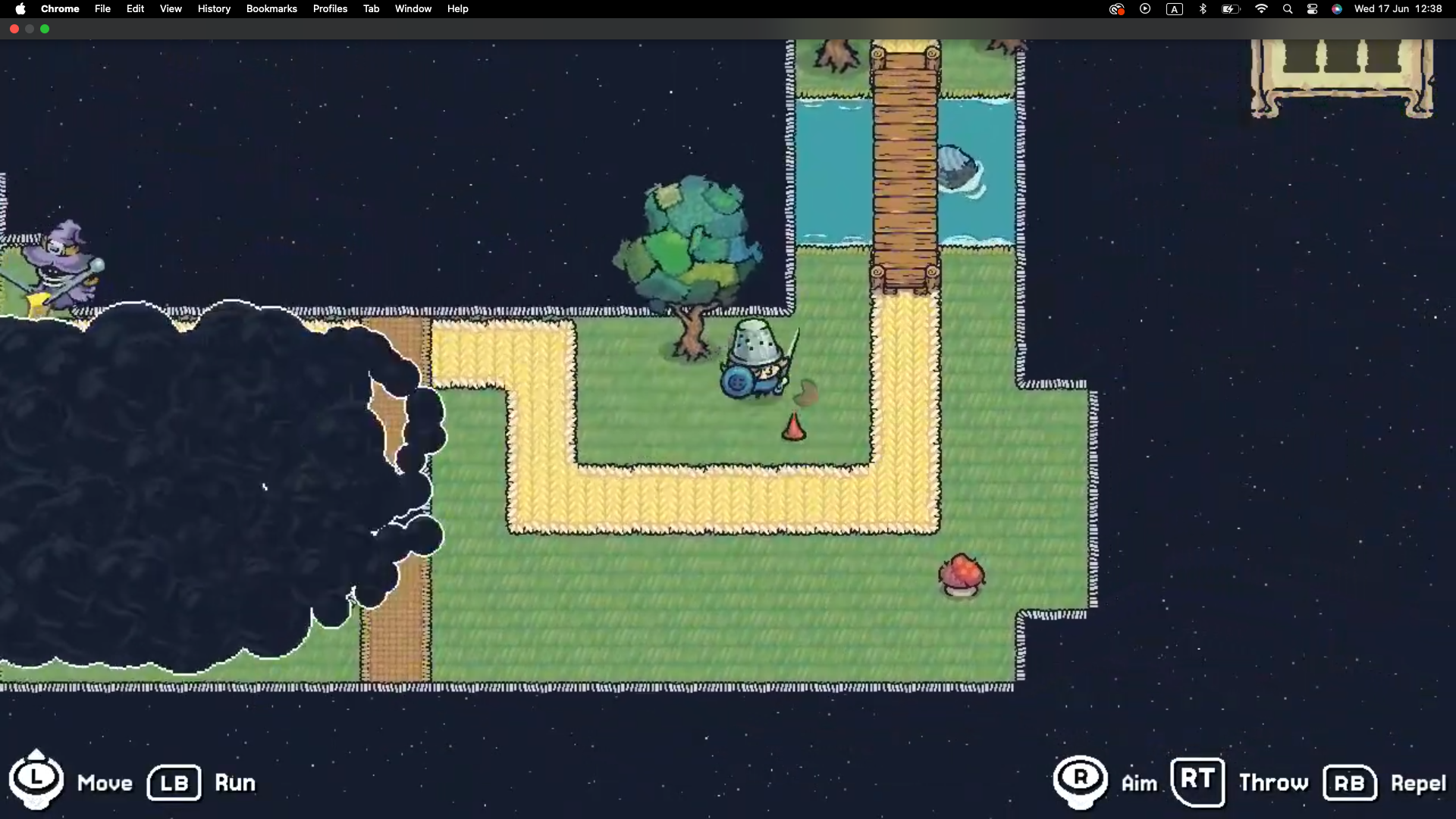
A story quest is a playable chapter of Threadbare that helps restore forgotten cultures, memories, or stories. It includes narrative writing, environment building, art, coding, and interactive design.
What to learn about the game, check Threadbare out.
What Learners Create in Core
Across 18 structured sessions, learners create:
- A complete story quest aligned with Threadbare’s lore
- Narrative arcs with characters, conflicts, and resolutions
- Interactive scenes and worldbuilding elements
- Mini-games inside Godot (GDEU)
- Tilemaps and environment art
- Quest logic and player interactions
- Refined assets through iteration and feedback
- Playable builds that others can test and enjoy
Heather explained why the scaffolded design matters:
“A typical session includes play, create, share, and reflect. They play each other’s quests, create scenes, share their work, and refine it based on feedback.”
This cycle mirrors real-world game production.
Examples of Story Quests Created by Learners
Below are sample story quests created during Core, shared here as placeholders until the videos are embedded:
- El Juguete Perdido (The Lost Toy) is sort of fan-fiction; it creatively reuses our protagonist & many existing assets, plus some original art, to tell a new, light-hearted story.
- Nora and the Impossible Homework has a fair bit of custom art & tells a slightly surreal story about a student’s academic struggle. (We hope it’s not based on their experience contributing to Threadbare!) It has some custom logic to tweak how the base game’s combat mechanic works.
- Sueños Nocturnos ([Night] Dreams) is the story of a nightmare, very different in tone, with lots of handmade art, cutscenes, and custom logic (though still building on the minigames in the base game)
Each quest reflects learners’ creativity, collaboration, and sense of ownership — and becomes part of the greater Threadbare ecosystem.
Why Core Matters
Core: Threadbare is grounded in research-backed practices that support deep learning, confidence, and real skill development.
1. Collaboration is a top future-ready skill
The World Economic Forum consistently ranks collaboration, teamwork, and communication among the most essential skills for the future of work.
Source.
Core mirrors real game studio workflows — learners work in teams, test each other’s quests, and learn how to give and receive feedback.
2. Project-based learning boosts problem-solving and engagement
Studies show that project-based learning:
- increases long-term understanding and transfer of knowledge
- improves real-world problem-solving
- boosts engagement and persistence
Because Core is built around a multi-week project that ends in a playable quest, learners stay motivated through purpose and ownership.
3. Experience with professional tools sets learners apart
Godot (GDEU), the engine used to build Threadbare, is one of the fastest-growing professional game engines worldwide. Early exposure helps learners understand professional workflows while developing confidence in real tools used by studios and indie developers.
Source: Godot Engine documentation and community reports
A Scaffolded Pathway for Learners
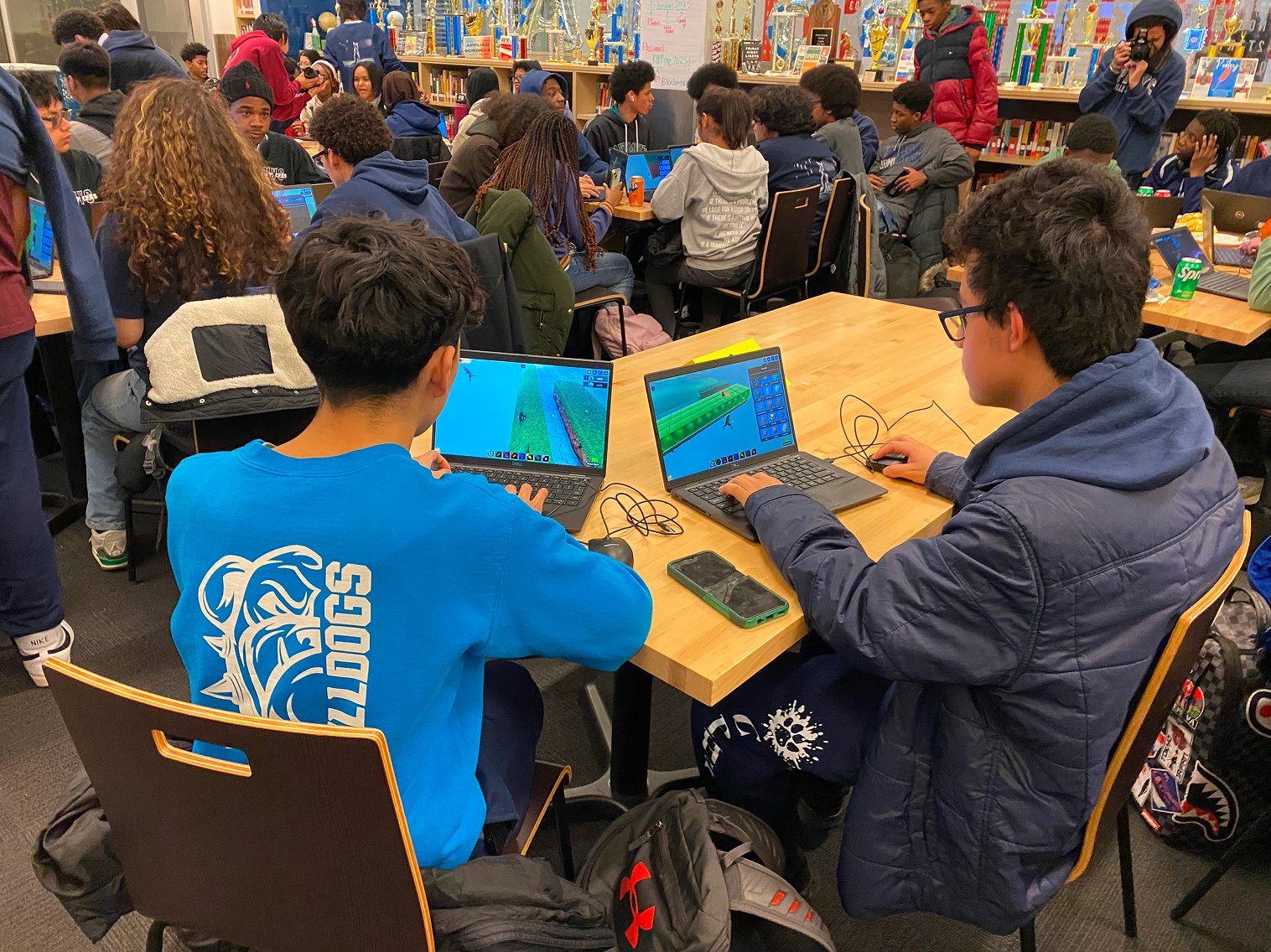
Many learners enter Core without experience in game engines or version control. To support them, Endless Access built three skill on-ramps:
- Godot (GDEU) — Downloading, navigating, and modifying small games like Pong or the moddable platformer
- Game Design — Storyboarding, mechanics, and challenge design
- Git & Version Control — Collaborative editing workflows
Heather explained:
“We are building on-ramps to help scaffold learners before they get to Core Threadbear. They allow learners to practice in each domain before jumping in.”
These on-ramps ensure learners enter Core with confidence — and know exactly where to go if they get stuck. Stay tuned to learn when these on ramps will be available.
For Educators and Partners
Core is designed for facilitators who are excited about guiding learners through:
- creative problem solving
- narrative design
- digital creation
- collaborative workflows
Heather explained what educators need:
“A facilitator really just needs to be there to support the learners. It helps if they have a technical background or can find answers when learners get stuck.”
Educators can access support through:
- Educators’ Discord community
- Endless Access partner support for larger implementations
- Detailed online materials that guide pacing, setup, and facilitation
Core can be delivered in classrooms, afterschool programs, youth centers, libraries, and community makerspaces.
Learner Transformations
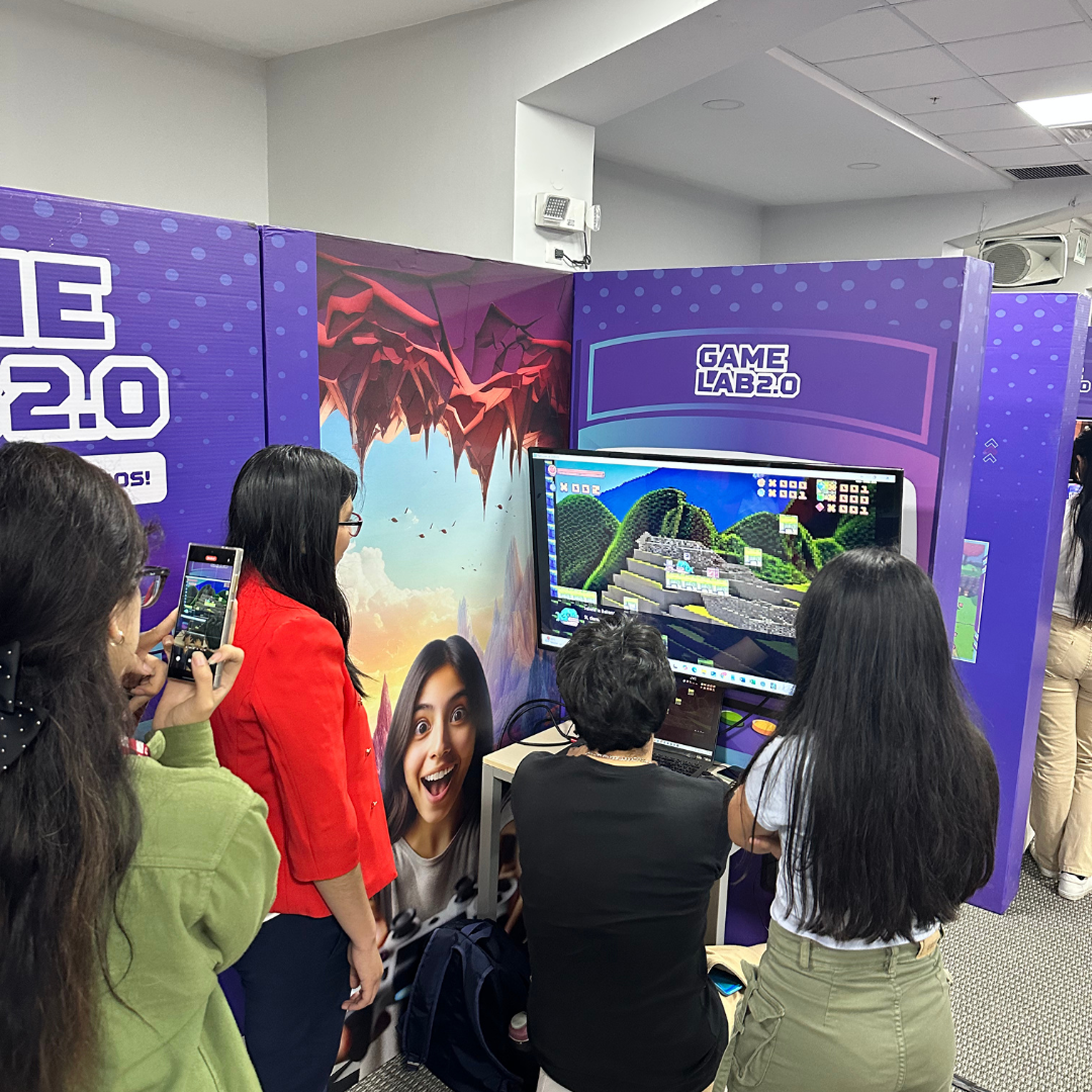
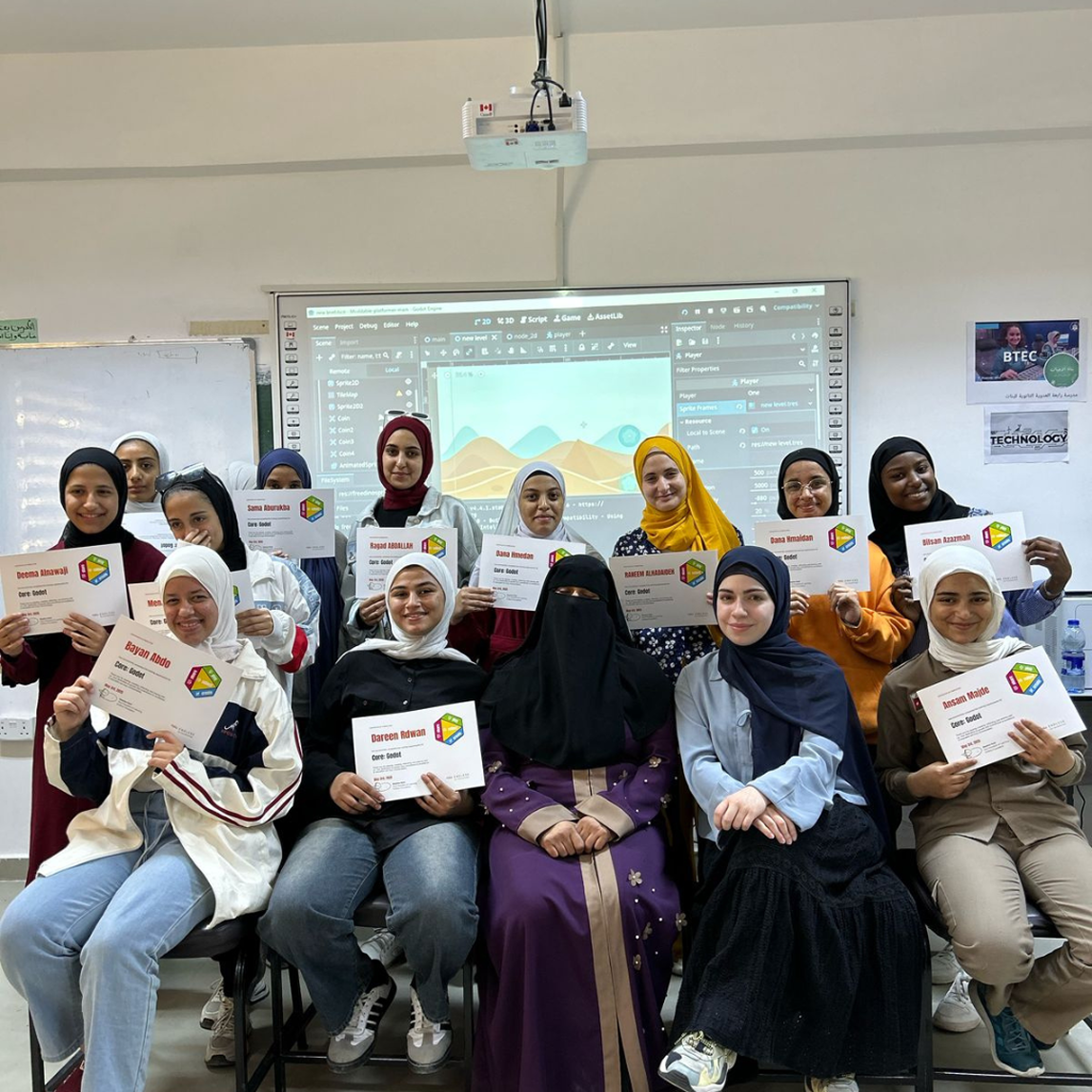
Across global pilots, learners who complete Core report:
Higher confidence
Many learners enter believing game development is “too hard,” yet leave with a playable quest they designed themselves.
Stronger communication and collaboration
Working in teams, giving feedback, and playtesting builds interpersonal and professional skills.
Heather shared:
“There’s something special about your work contributing to a global game people play. It gives learners real audience, real purpose.”
This authentic audience dramatically increases motivation and quality.
What Comes After Core? Introducing More: Threadbare
Many learners finish Core and want to keep going.
More: Threadbare is the next step — a deeper, more independent experience where learners contribute directly to the real Threadbare backlog, create lore quests, or specialize in areas like sound design, art, engineering, or narrative.
Heather described More as:
“A place for learners who want to go even deeper and work directly with the engineers of the game Threadbear.”
Core prepares learners for this by giving them the foundational skills, confidence, and collaborative habits needed to succeed in open-source contribution.

Start Creating With Core
Core: Threadbare is a powerful next step for learners ready to move from imagination to full game-making.
👉 Visit the Core: Threadbare page to explore the full experience, access free materials, and help your learners build their first story quest.
And when they’re ready, guide them into More: Threadbare — where they join the global community shaping the future of the game.