Open Source in Education: Opportunity, Reality, and the Work Ahead
For decades, education systems have relied on proprietary platforms to deliver digital learning. Learning management systems, licensed software suites, and closed digital ecosystems became the backbone of modern classrooms. These systems brought stability and scalability, but they also shaped assumptions about how learning environments should function, who controls them, and how innovation occurs.
Today, a quieter shift is unfolding. Open source is not returning after a period of absence. It never left. What is changing is its role. Increasingly, open ecosystems are becoming part of the infrastructure through which learning happens. This transition is not ideological. It is structural.
In North America and much of Europe, proprietary software still dominates core educational infrastructure. Student information systems, assessment platforms, and institutional productivity suites are deeply embedded in procurement processes and compliance frameworks such as FERPA and GDPR. Schools, by necessity, prioritize reliability, accountability, and long-term vendor support. These constraints make rapid technological change difficult.
At the same time, compliance itself introduces paradoxes. As Robert McQueen, CEO of Endless Access, reflected in a recent discussion in our educator community on Discord, “a funny old world — you'd think collecting less data would make things easier, not harder.” Open-source projects are often approached to sign compliance agreements designed for data-intensive commercial platforms, even when they collect little or no user data. The Godot Foundation, for example, has faced requests to enter into institutional agreements that assume data collection practices they do not actually perform. This tension highlights a structural mismatch between existing regulatory frameworks and emerging open technology models.
For educators and developers working with open tools, privacy requirements can create practical barriers. As, Owen Peery from Balboa High School in San Francisco who runs the Game Design Academy, an educator in our community, noted, compliance expectations are often easier for large companies to meet because they can build legal and operational overhead into their business models. Open-source projects, particularly those rooted in free and community-driven development, operate differently. The challenge is not a lack of commitment to privacy, but the absence of institutional mechanisms designed to support non-commercial innovation at scale.
However, the layer where learning itself unfolds tells a different story. Collaborative learning environments, technical programs, and community-driven initiatives are increasingly shaped by open participation models. Universities, in particular, have long relied on open software for research, engineering, and scientific computing. As digital learning expands, this reliance is becoming more visible across disciplines. Open ecosystems enable experimentation, customization, and collaborative knowledge production in ways that closed systems often cannot.
The pedagogical implications of this shift are significant. Open collaboration aligns naturally with learning models that emphasize making, iteration, and peer exchange. When learners contribute to shared projects, they experience accountability in ways that traditional assignments rarely capture. The work becomes visible, interconnected, and consequential.
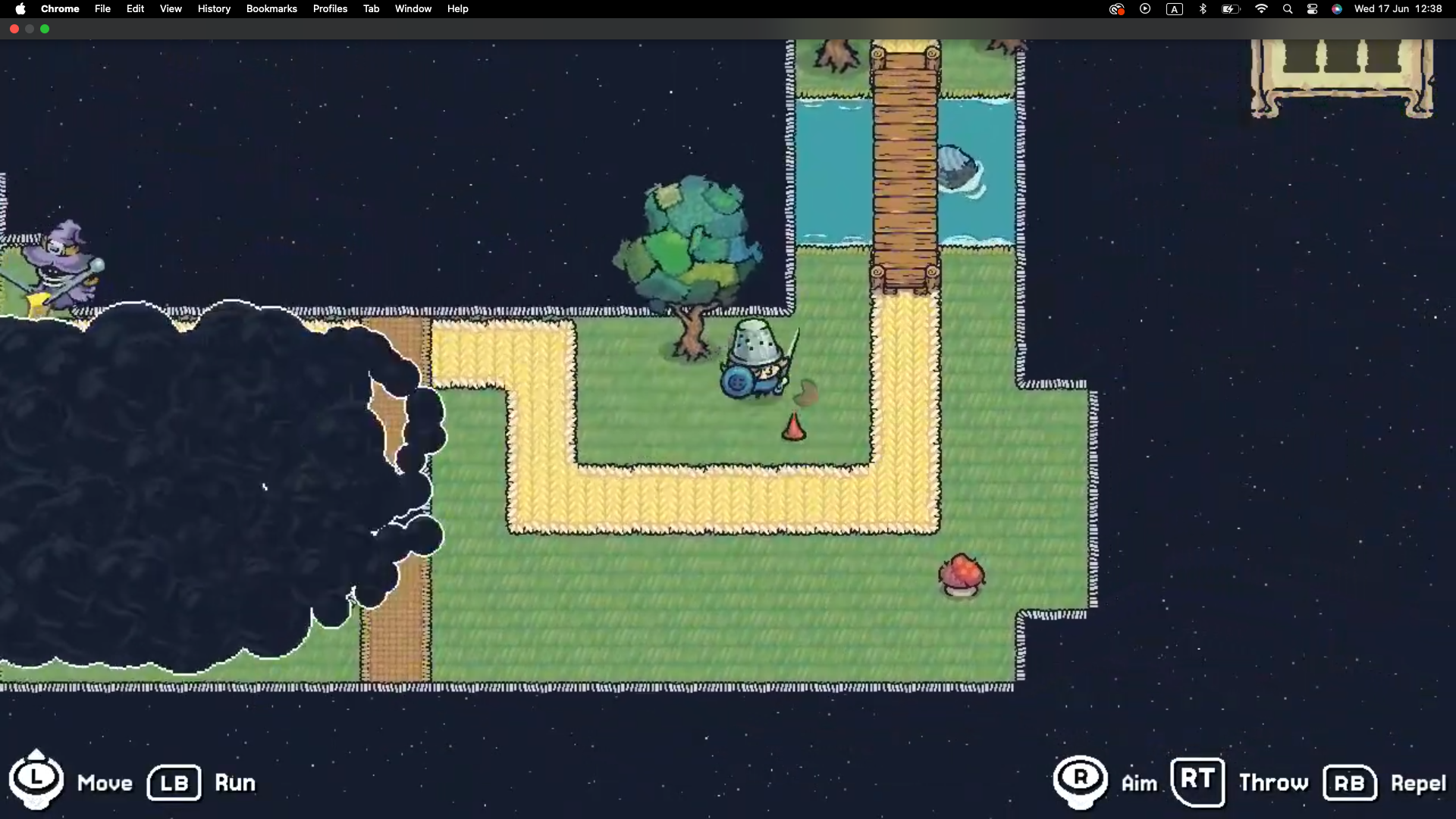
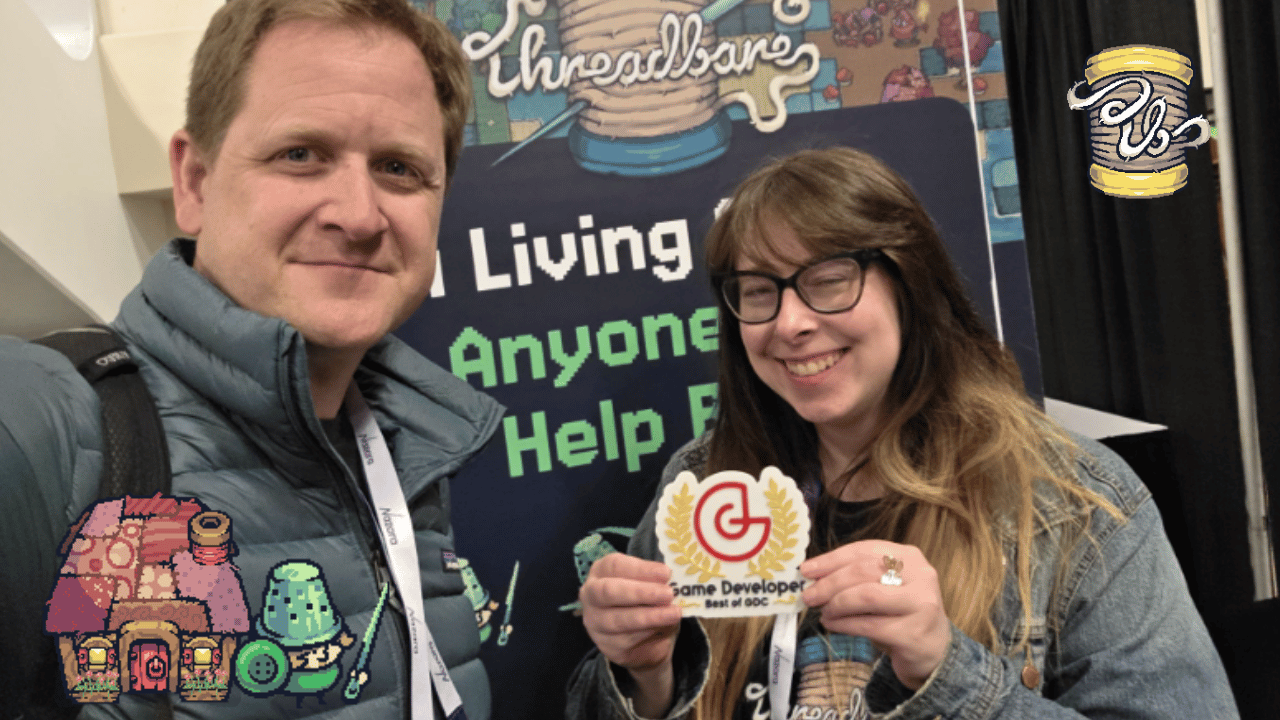
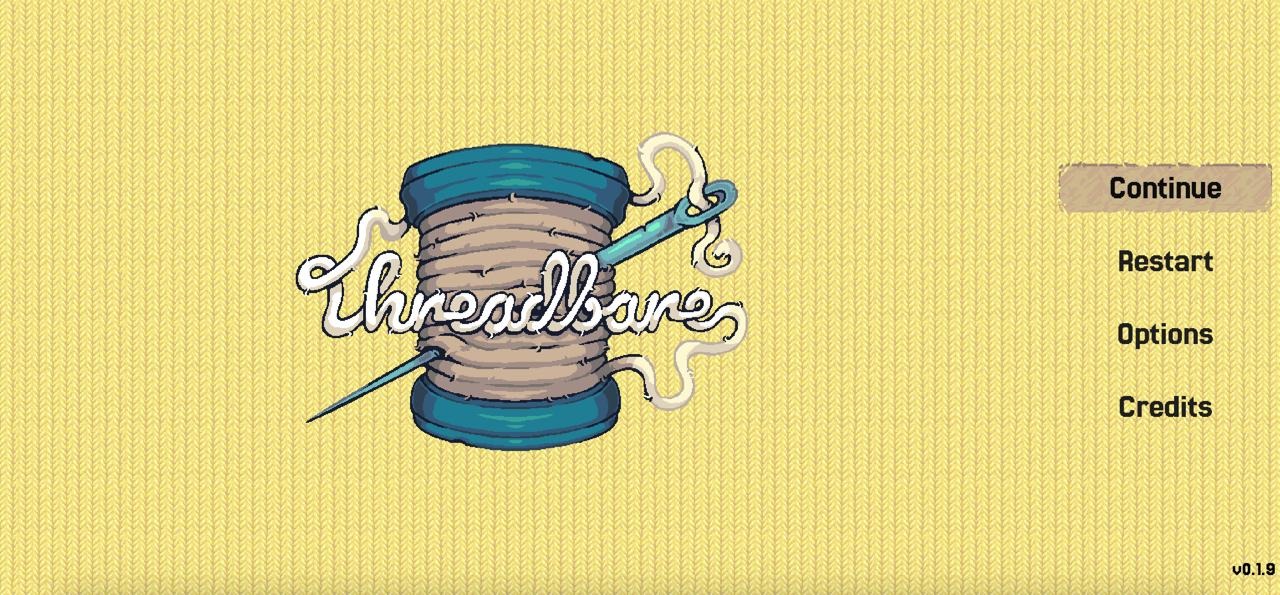
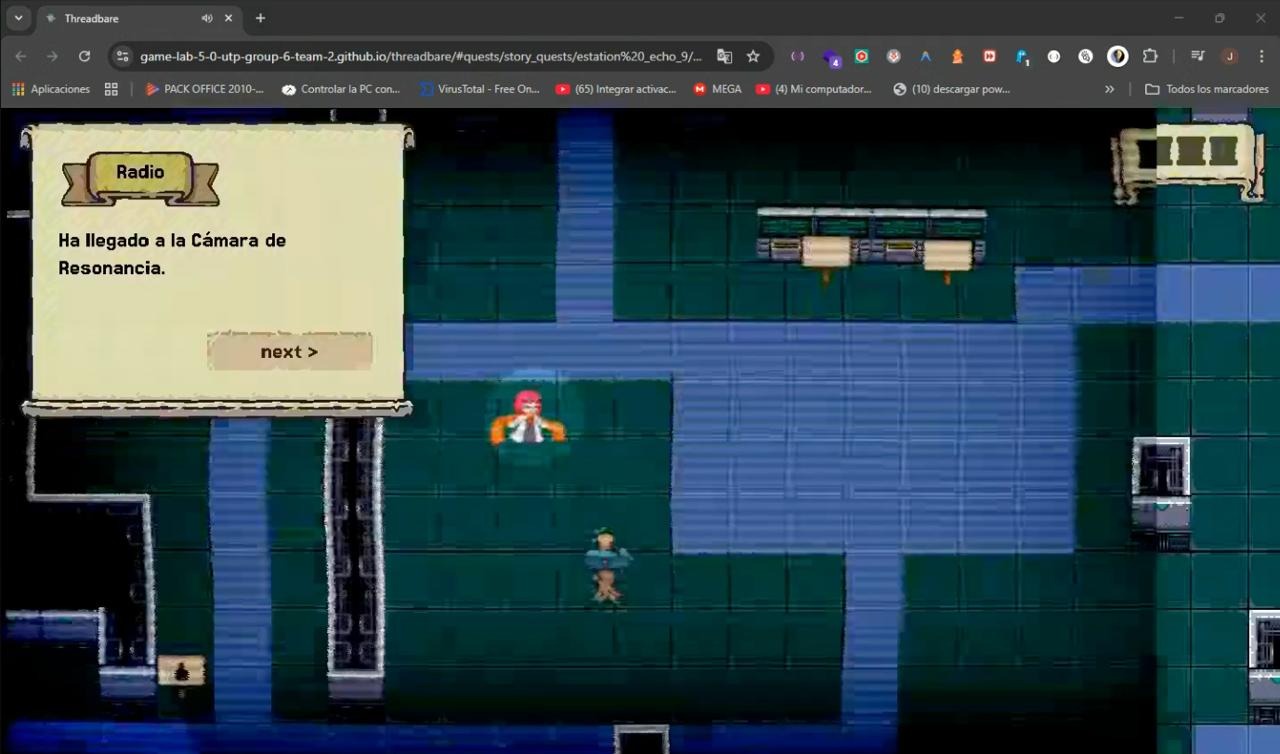
This dynamic can be observed in open creative environments such as Threadbare, an open-source game that functions both as a creative artifact and as a learning platform. Instead of working through isolated exercises, participants engage with real production workflows. They design assets, write code, collaborate on narrative elements, and see their contributions become part of a living project shaped by a global community. The experience moves learning from simulation toward participation, exposing learners to both the possibilities and complexities of distributed collaboration.
Educators working within open ecosystems frequently note that the primary challenge is not the philosophy of openness, but the practices that accompany it. Dave Stevens, an educator from the UTAH Space Centers and member of our community reflected on this tension: the concept of open source itself is rarely daunting, but source control can be. Once learners encounter merge conflicts or the practical limitations of working in isolation, they begin to understand the value of collaborative infrastructure. Open participation becomes meaningful when it is experienced, not merely explained.
Market dynamics reinforce the importance of these developments. The global education technology market was valued at approximately $163 billion in 2024 and is projected to reach over $348 billion by 2030, driven by increased demand for personalized learning, artificial intelligence integration, and digital access.
The digital learning segment alone is expected to grow from roughly $24 billion in 2025 to nearly $99 billion by 2031, reflecting continued investment in remote learning infrastructure and data-driven educational tools.
Despite this growth, the expansion of educational technology does not automatically translate into more participatory or equitable learning environments. The design of these systems remains critical. Open ecosystems introduce opportunities for collaboration and agency, but they also require intentional facilitation, governance, and support.
Global dynamics further shape this transformation. In many regions of the Global South, open infrastructure has become essential due to affordability constraints, connectivity limitations, and the need for localized educational resources. Initiatives such as offline-first learning platforms, open educational resource programs, and community technology hubs illustrate how openness can function as a practical response to structural inequality rather than a philosophical preference.
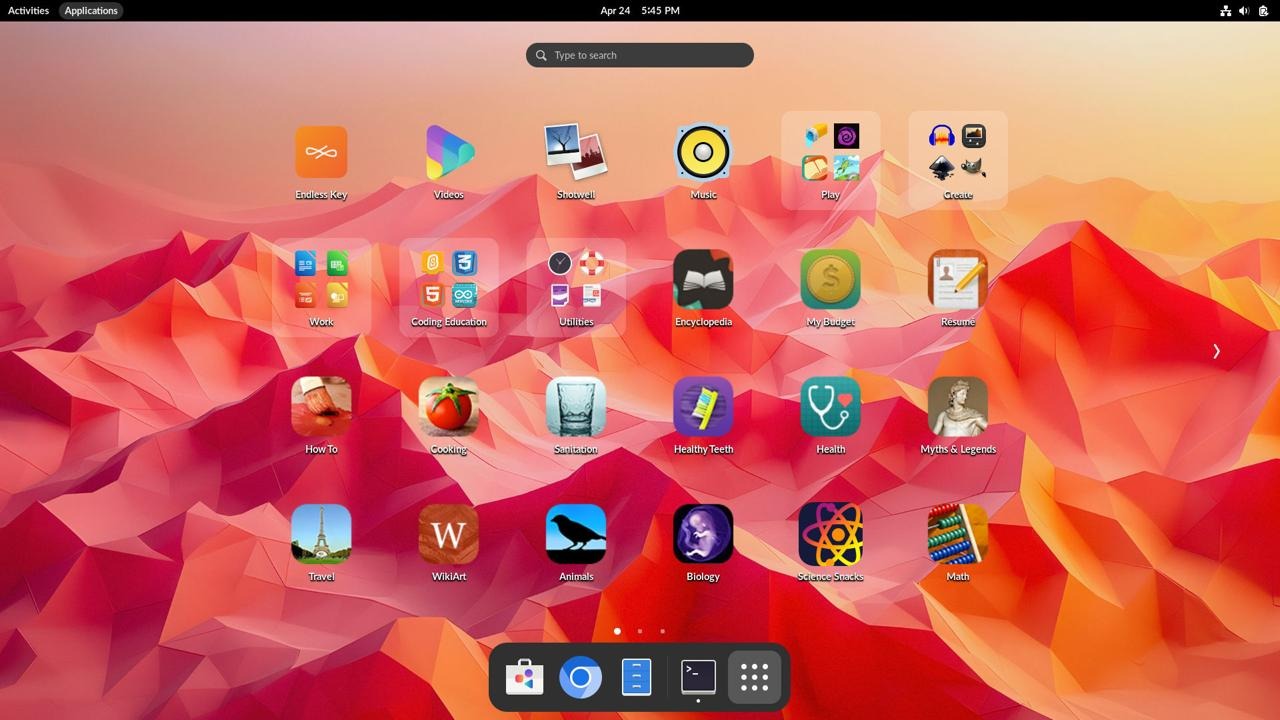
Operating systems such as Endless OS demonstrate how technology can be designed to address these realities. By providing a free, content-rich computing environment capable of functioning offline or in low-connectivity contexts, such systems expand access to digital learning ecosystems that might otherwise remain out of reach. This approach reflects a broader recognition that educational infrastructure must adapt to diverse technological and social conditions rather than assume universal connectivity or institutional capacity.
At the same time, policy discussions in Europe increasingly frame open technologies as strategic tools for maintaining public control over digital systems. Concerns about data governance, long-term technological dependence, and digital sovereignty are shaping how governments and institutions evaluate technology adoption. These conversations suggest that open source in education intersects not only with pedagogy, but with broader geopolitical and economic considerations.
Yet open ecosystems face real constraints. As Dave Stevens, an educator from the UTAH Space Centers and member of our community, observed, open-source tools often operate with significantly fewer resources than their commercial counterparts. Engines such as Godot benefit from community contribution but cannot match the scale of investment behind platforms like Unity or Unreal. Even successful open projects such as Blender illustrate how industry adoption can lag behind technological progress. These realities underscore that openness does not eliminate structural inequalities within technology ecosystems.
The future of education is unlikely to be defined by a simple binary between open and proprietary systems. Hybrid models will continue to emerge, combining institutional stability with the creative potential of open participation. The challenge for educators, technologists, and policymakers is not to choose sides, but to design learning environments that leverage the strengths of both approaches.
Spaces for dialogue and experimentation play a critical role in this process. Communities where educators exchange experiences, test ideas, and reflect collectively help translate abstract debates about openness into practical insight. These conversations shape not only how tools are used, but how learning itself is understood.
If you are exploring these questions or experimenting with open approaches to teaching and learning, we invite you to join the ongoing discussion in our educator community on Discord. These exchanges — grounded in practice, not theory — are helping define how open participation can support meaningful skill development and inclusive learning pathways. You can also leave your comments below!
Join our educator community here
Subscribe to our newsletter Here