Game Development for Learning: How Threadbare Helps Educators Teach Future-Ready Skills
Game development is becoming one of the most powerful tools for project-based learning, STEM and STEAM education, and the development of future-ready skills.
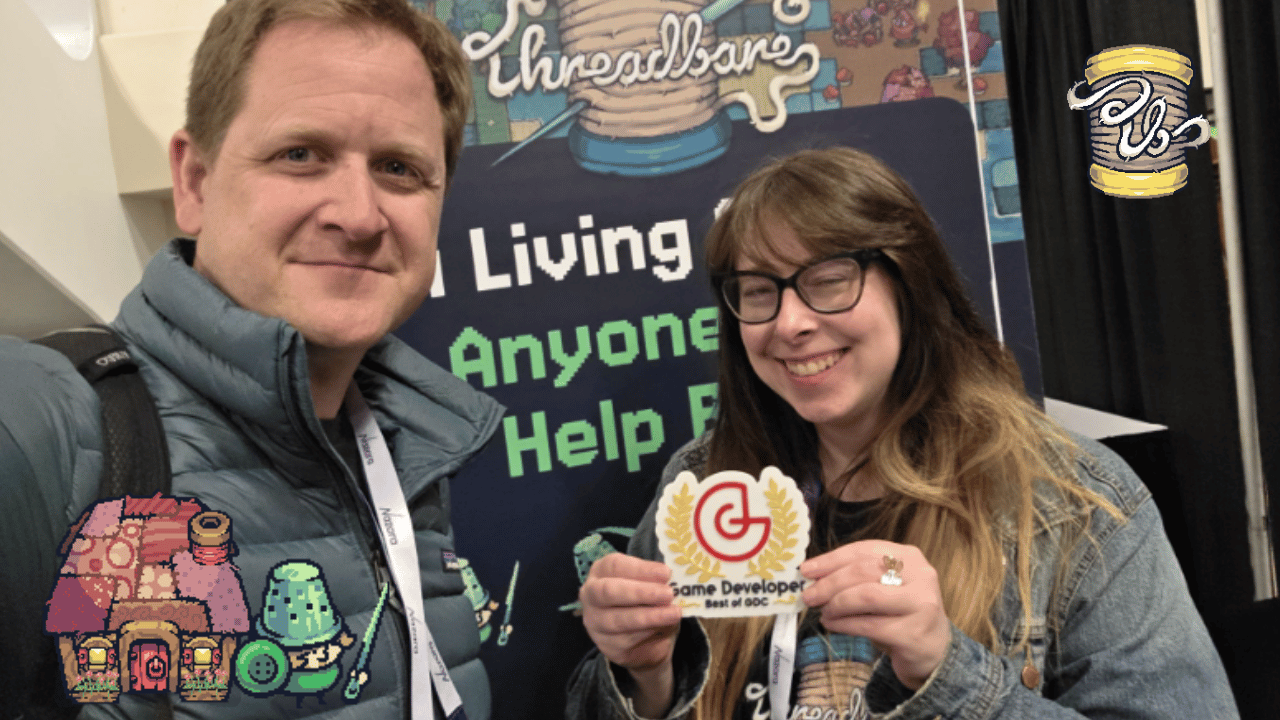
In the first episode of Loom Lounge, Stephen Reid (VP of Learning Experiences) and Heather Drolet (Director of Learning Programs) introduce Threadbare, our open-source game where learners move beyond playing games and begin contributing to them.
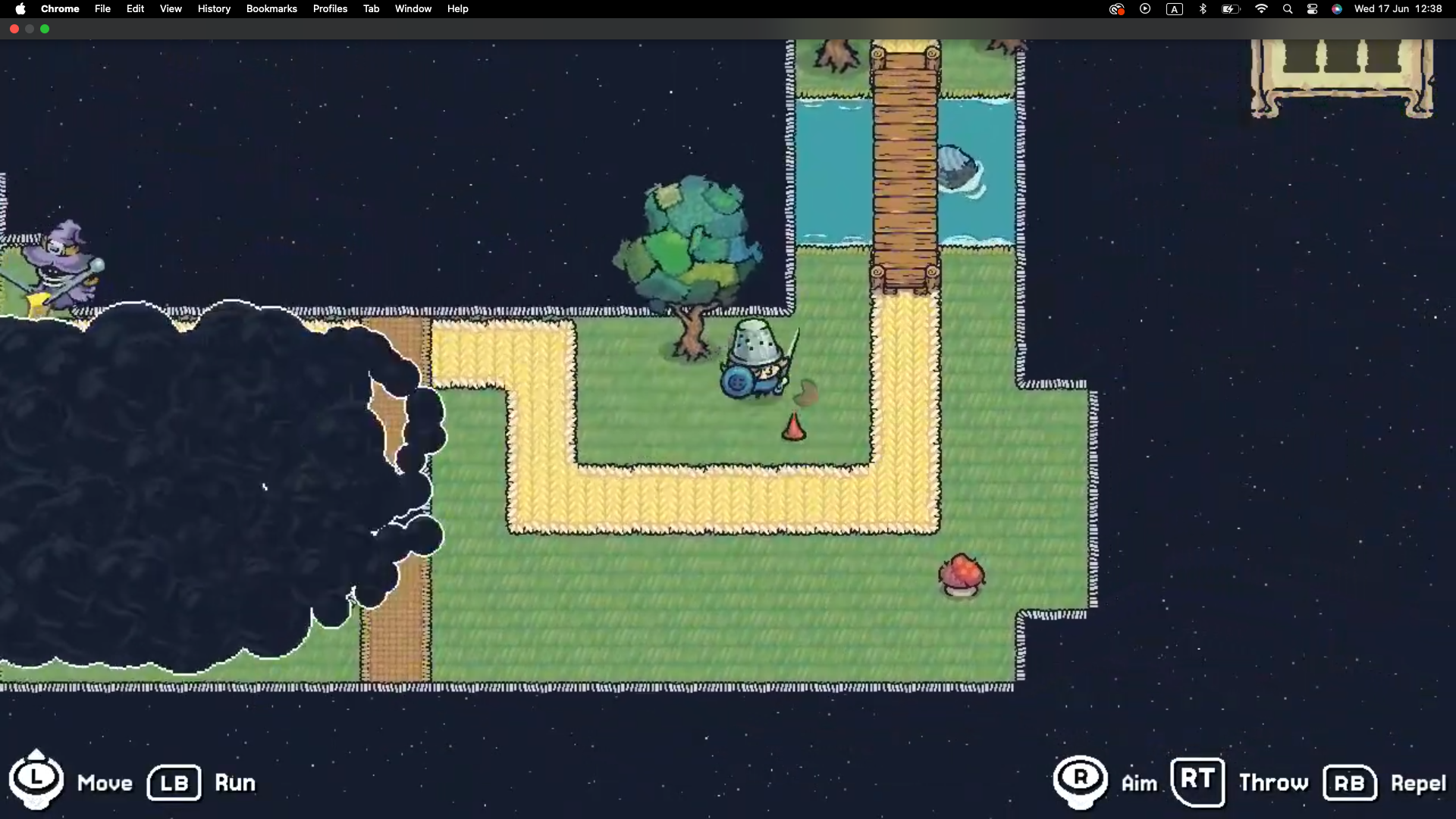
Rather than treating games as something students simply consume, Threadbare invites learners to participate in building the world itself. Through storytelling, art, coding, and collaborative design, contributors expand the game’s universe while developing real creative and technical skills.
“Threadbare is an open-source game where learners can move from being players to being creators.” (2:14 in the episode)
For educators, homeschoolers, facilitators, instructors, learners, and contributors, this approach opens the door to a form of learning that feels closer to real creative work.
Why Game Development Works for Project-Based Learning
One of the reasons game development works so well in education is that it connects multiple disciplines within a single creative project.
Instead of isolated assignments, learners collaborate on something meaningful and visible. Game development naturally blends storytelling, design, coding, and teamwork in ways that reflect how creative teams operate in the real world.
Stephen explains this during the episode:
“Game development brings together art, storytelling, coding, production, and collaboration in one place.” (13:09)
Because of this interdisciplinary nature, game-making can support both STEM learning and STEAM education, helping learners explore technology alongside creativity and storytelling.
Learning Principles Behind Threadbare
Threadbare was built around a set of learning principles that guide how contributors collaborate and how educators can use the experience with learners.
Heather highlights these principles during the conversation:
“Play matters. Everyone belongs. Share often and be open. Reflect and refine. Create for impact.” (14:43)
These ideas encourage experimentation, collaboration, and iteration. Learners are not simply following instructions. They are exploring ideas, trying things, and improving their work over time.
Another guiding idea behind the project is that learning is not linear. Progress happens through curiosity, mistakes, feedback, and iteration.
Teaching Coding, Art, Storytelling, and Collaboration Through Games
Game-based learning works well because it allows learners to contribute in different ways depending on their interests and strengths.
Some learners focus on technical work such as coding and game mechanics. Others may gravitate toward narrative design, art creation, or world-building.
During the episode, Heather explains how learners can start contributing through structured prompts and story quests.
“Learners can move from exploring the game to actually creating story quests and contributing ideas that become part of the world.”
(29:05)
This flexibility allows educators to integrate many subjects into a single learning experience, including:
• coding and computational thinking
• visual art and design
• storytelling and narrative writing
• collaboration and creative problem solving
Instead of separating subjects, the game becomes the environment where they intersect.
Storytelling and Culture in the World of Threadbare
At the heart of Threadbare is the idea that stories help hold the world together.
In the game’s universe, a mysterious force known as the Void slowly erases culture, memory, and imagination. Players help restore the world by rediscovering and sharing stories.
Stephen describes the concept this way:
“The Void represents the absence of culture and storytelling. Restoring stories helps rebuild the world.” (33:18)
This narrative framework allows educators to connect the game with many kinds of learning experiences. Students might create quests based on cultural traditions, local history, mythology, or their own creative ideas.
Open Source Learning and Authentic Audience
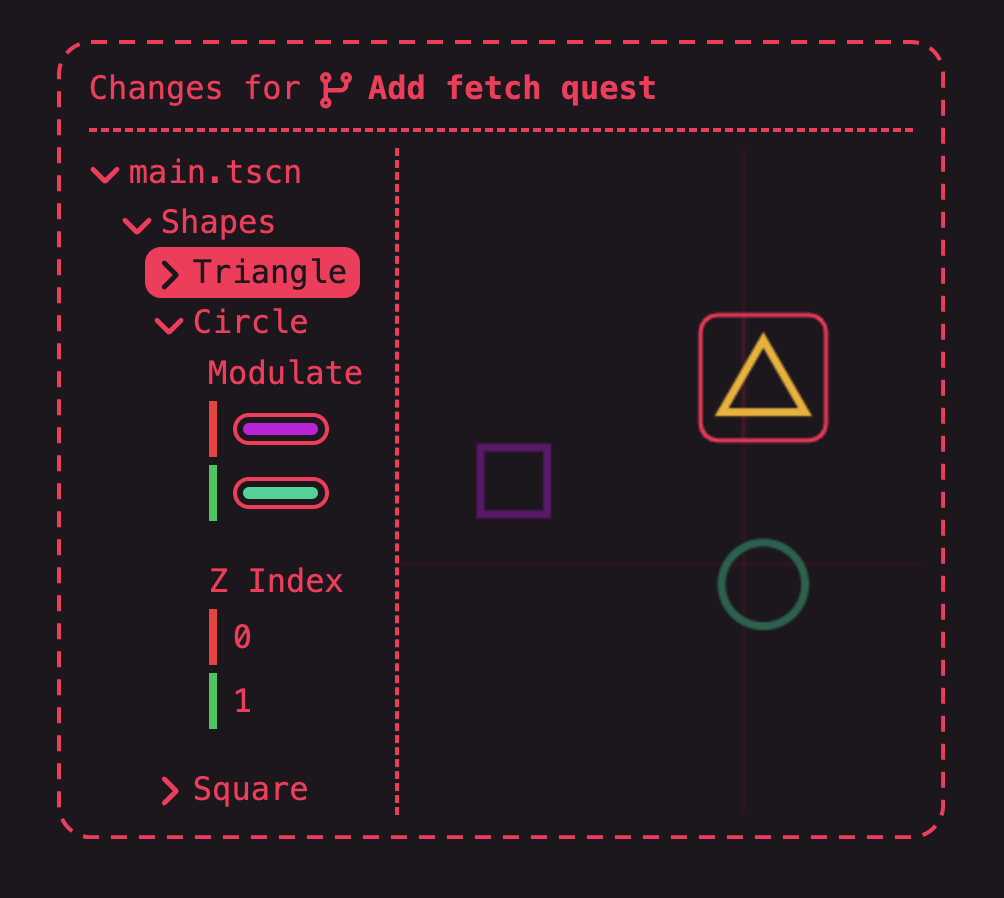
Threadbare is built using open-source tools and collaborative development practices, which means learners can explore how the game works and contribute improvements.
This openness also means learners can see their work become part of something real.
Stephen reflects on why that matters for learning:
“When learners see their work become part of a real game, it changes how they think about what they can create.”
(46:21)
When learners know their work might be explored by others, it creates a sense of purpose and ownership that traditional assignments often lack.
A Growing Global Community of Learners
Threadbare is already being explored by learners across multiple countries and continues to grow through contributions from educators, students, and community members.
Participants have created stories, artwork, and gameplay ideas that expand the world and help shape the experience for future players.
This collaborative approach reflects the broader vision behind Endless Access: building learning environments where creativity, technology, and community come together.
Watch the First Loom Lounge Episode
If you’re an educator, homeschooler, facilitator, or instructor interested in using game development to teach coding, storytelling, art, collaboration, and digital skills, this episode is a great place to start.
Explore More
Explore the Threadbare project
Explore our Learning Experiences
Stay Connected
Subscribe to our YouTube channel
Join our Newsletter
Join the Community