El futuro de las credenciales: por qué la creación de juegos se está convirtiendo en un nuevo camino hacia la empleabilidad
La transmisión en vivo detrás de esta conversación
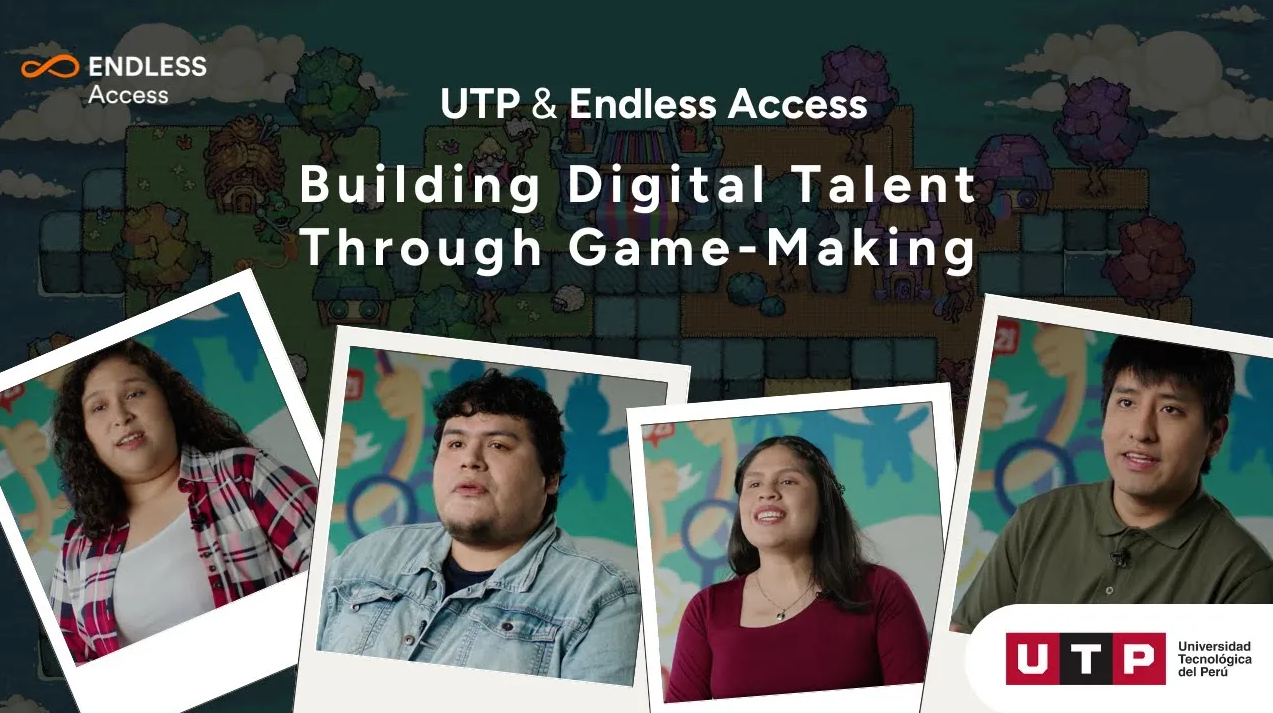
Este artículo se basa en una conversación reciente en vivo entre Endless Access y ASU Endless Games and Learning Lab, con Elena Ollila, Mark Ollila y Heather. En la sesión, los ponentes exploraron el futuro de las microcredenciales, el impacto de la IA en la recalificación y por qué la creación de juegos es especialmente adecuada para el aprendizaje futuro.
En los últimos años, algo fundamental ha comenzado a cambiar en la forma en que se reconocen las habilidades.
Desplácese por LinkedIn y verá menos personas celebrando diplomas, y más personas compartiendo portafolios de proyectos, insignias digitales y evidencia de lo que realmente han construido. Los empleadores miran cada vez más allá de los títulos tradicionales y hacen una pregunta diferente:
¿Qué puede hacer realmente esta persona?
Este cambio no es anecdótico. Según el Foro Económico Mundial, casi el 44% de los trabajadores necesitarán volver a capacitarse para 2030 debido a la automatización y la IA. Al mismo tiempo, empresas como IBM, Google y Tesla han eliminado los requisitos formales de grado para muchos roles, lo que indica un movimiento más amplio hacia la contratación basada en habilidades.
En este nuevo panorama, las credenciales mismas se están reinventando.
Y uno de los entornos de aprendizaje más inesperados y poderosos que impulsan este cambio es la creación de juegos.
De los títulos a las habilidades: el auge de las microcredenciales
Las microcredenciales están surgiendo como una nueva forma de reconocer el aprendizaje en un mundo donde las señales tradicionales están empezando a perder su significado. Durante décadas, las licenciaturas funcionaron como una especie de apoderado de la capacidad: si alguien completaba un programa, los empleadores suponían que había adquirido cierto conjunto de habilidades. Pero a medida que las industrias evolucionan más rápido y los roles cambian con mayor frecuencia, ese proxy se ha vuelto cada vez más poco confiable.
Hoy en día, lo que importa no es dónde estudió alguien, sino si realmente puede demostrar lo que sabe hacer. Las microcredenciales responden directamente a este cambio. En lugar de representar años de estudio generalizado, se centran en competencias específicas, resultados concretos y evidencia del mundo real. Están diseñados para ser portátiles y verificables, dando a los alumnos algo que pueden llevar a través de trabajos, plataformas y contextos profesionales.
Como explica Elena Ollila, subdirectora del ASU Endless Games and Learning Lab:
“Las microcredenciales dan a los alumnos el poder de contar la historia de lo que han aprendido. Se vinculan directamente con la evidencia del aprendizaje”.
En la práctica, esto significa que los alumnos ya no se limitan a decir “completé un curso”. Pueden señalar un proyecto, un producto o una contribución y decir: esto es lo que construí, y esto es de lo que soy capaz. Las microcredenciales transforman las credenciales de señales abstractas en herramientas narrativas que ayudan a los alumnos a hacer visibles sus habilidades en un mercado laboral abarrotado.
En el mejor de los casos, las microcredenciales comparten algunas características definitorias:
- son portátiles y son propiedad del alumno
- están vinculados a pruebas verificables
- representan habilidades específicas aplicadas
Es por ello que las microcredenciales están ganando terreno no solo en la educación, sino en la contratación. Los empleadores valoran cada vez más las carteras y el trabajo demostrable sobre las transcripciones y las descripciones de los cursos. En ese sentido, las microcredenciales no están reemplazando a los títulos, están agregando una nueva capa más granular a cómo se reconoce el aprendizaje.
Por qué los juegos son sistemas de aprendizaje serios
Los juegos a menudo se descartan como entretenimiento, pero siempre han sido entornos de aprendizaje sofisticados. Cualquiera que haya pasado tiempo dentro de un juego complejo sabe que el éxito requiere resolución de problemas, pensamiento estratégico, colaboración, experimentación y persistencia. Los jugadores aprenden sistemas interactuando con ellos, fallando, adaptándose y volviendo a intentarlo. Exactamente el tipo de procesos de aprendizaje que la educación moderna afirma valorar, pero rara vez operacionaliza a escala.
El verdadero cambio ocurre cuando los alumnos pasan de jugar juegos a hacerlos. La creación de juegos convierte el aprendizaje en un proceso de producción. En lugar de consumir contenido, los alumnos diseñan sistemas, crean activos, construyen narrativas, escriben código y coordinan con otros. Ya no son solo usuarios de la tecnología, sino que se convierten en creadores dentro de ella.
Según Mark Ollila, director fundador del ASU Endless Games and Learning Lab:
“Las habilidades laborales suelen expirar en menos de cinco años. La experiencia técnica que tenía hace cinco años no necesariamente se aplica hoy”.
Esta es precisamente la razón por la que la creación de juegos es tan poderosa como modelo de aprendizaje. Espeja las condiciones del trabajo moderno: las herramientas cambian, los requisitos cambian y los equipos deben adaptarse constantemente. Cuando los alumnos construyen juegos, no solo están adquiriendo habilidades técnicas, sino que están practicando cómo aprender en entornos inciertos y cambiantes.
La creación de juegos integra de forma natural múltiples dominios en una sola experiencia. Un solo proyecto puede incluir diseño, narración de historias, producción visual y de audio, programación, pruebas y administración de proyectos. No se trata de competencias aisladas que se enseñan en silos separados; son habilidades interdependientes que deben coordinarse en tiempo real. El resultado es una forma de aprendizaje que es inherentemente multidisciplinar y profundamente aplicada.
A un alto nivel, la creación de juegos cultiva:
- pensamiento sistémico y resolución creativa de problemas
- colaboración y comunicación
- flujos de trabajo iterativos de diseño y producción
Estas no son “habilidades de juego”. Son habilidades para el futuro del trabajo. Y debido a que los juegos hacen que estos procesos sean visibles y tangibles, ofrecen una rara oportunidad de conectar el aprendizaje directamente con la evidencia, que es exactamente lo que necesitan las credenciales modernas.
El modelo: ASU, el laboratorio de aprendizaje y juegos sin fin de ASU y acceso sin fin
Es importante diferenciar los roles en esta colaboración.
La Universidad Estatal de Arizona (ASU) es una de las universidades públicas más grandes de los Estados Unidos y atiende a cientos de miles de estudiantes.
Dentro de ASU se encuentra el ASU Endless Games and Learning Lab, un laboratorio de investigación e innovación centrado en explorar cómo los juegos, la creación de juegos y las tecnologías emergentes pueden permitir vías de aprendizaje alternativas escalables.
Nos asociamos con el laboratorio, Endless Access, una organización sin fines de lucro enfocada en proporcionar acceso equitativo a experiencias de aprendizaje creativas y abiertas, especialmente para los estudiantes que tradicionalmente no tienen acceso a la tecnología o a oportunidades de desarrollo de juegos.
Juntos, estamos construyendo un modelo donde:
- ASU proporciona infraestructura académica y escala
- El laboratorio impulsa la innovación y la investigación en materia de credenciales
- Endless Access diseña la experiencia del alumno y la pedagogía
El resultado no es solo un programa, sino un ecosistema emergente de credenciales.
¿Cómo se ve una microcredencial?
Esta no es una idea abstracta. Los alumnos ganan un verdadero, ASU-microcredencial respaldada.
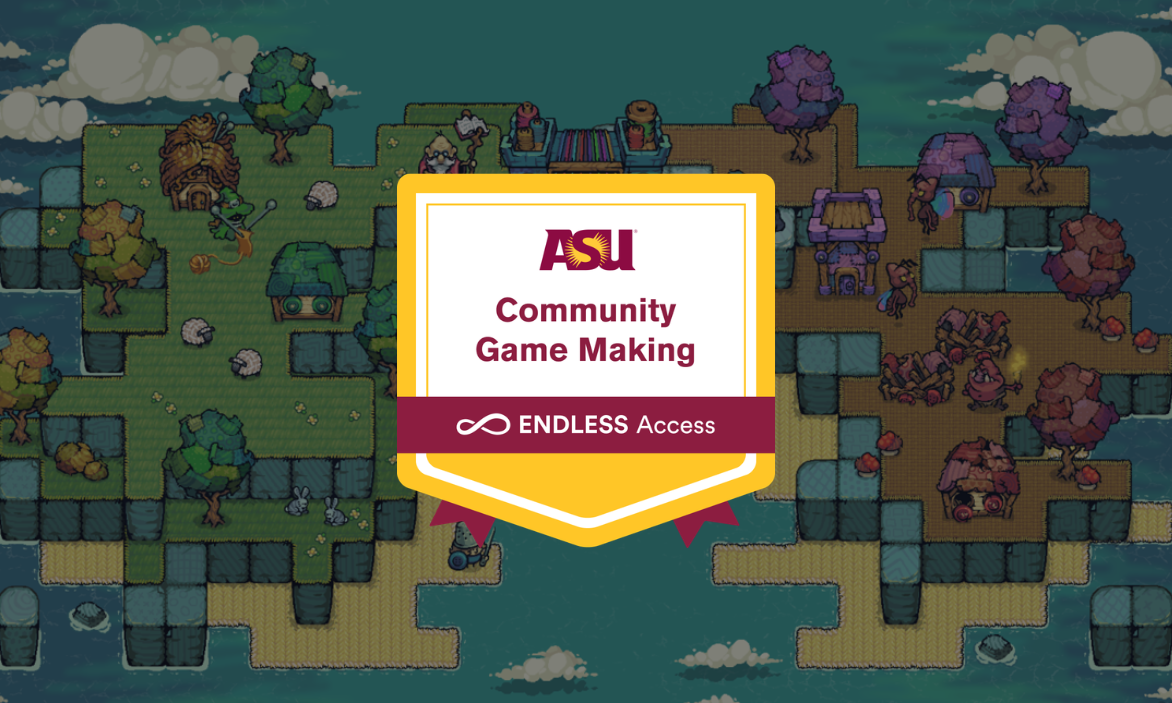
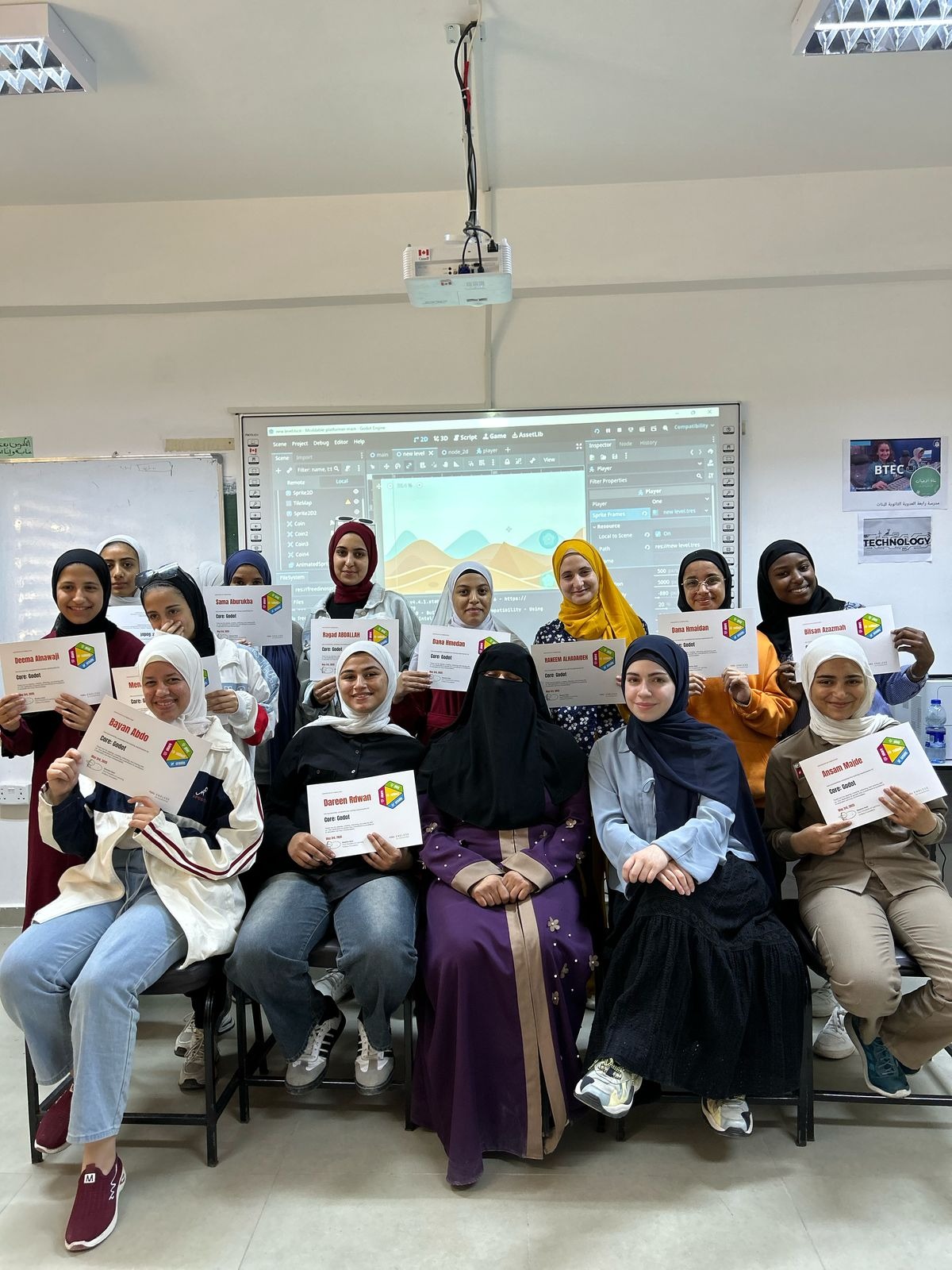
Esta credencial es emitida por ASU Endless Games and Learning Lab en asociación con Endless Access. Representa logro verificado en la creación de juegos comunitarios, basado en el trabajo de proyectos reales.
Del aprendizaje a la evidencia: dentro de una StoryQuest
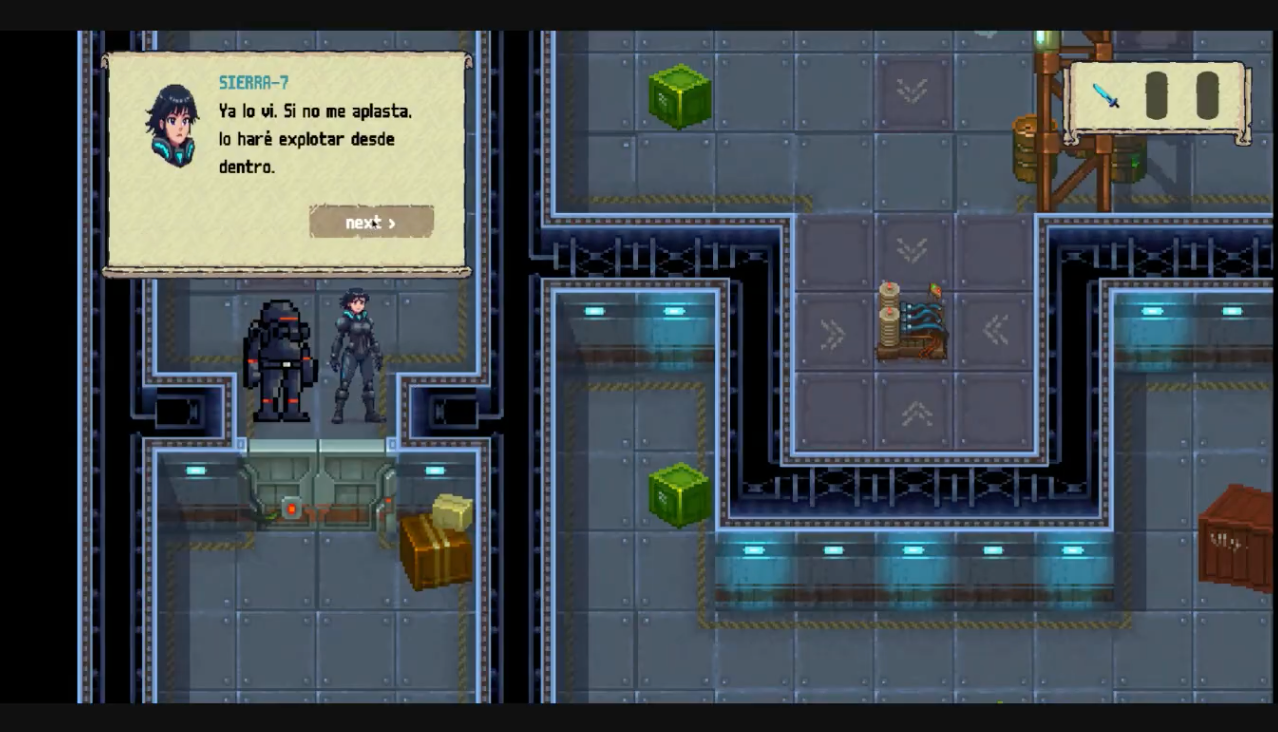
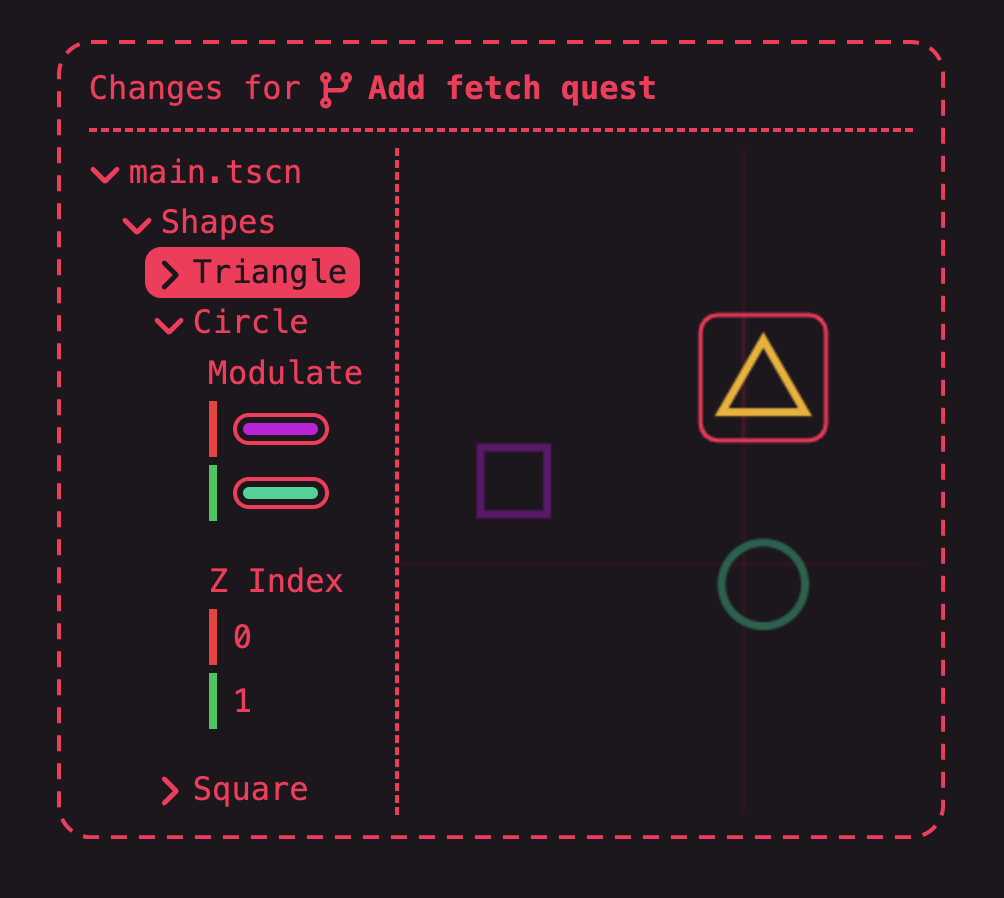
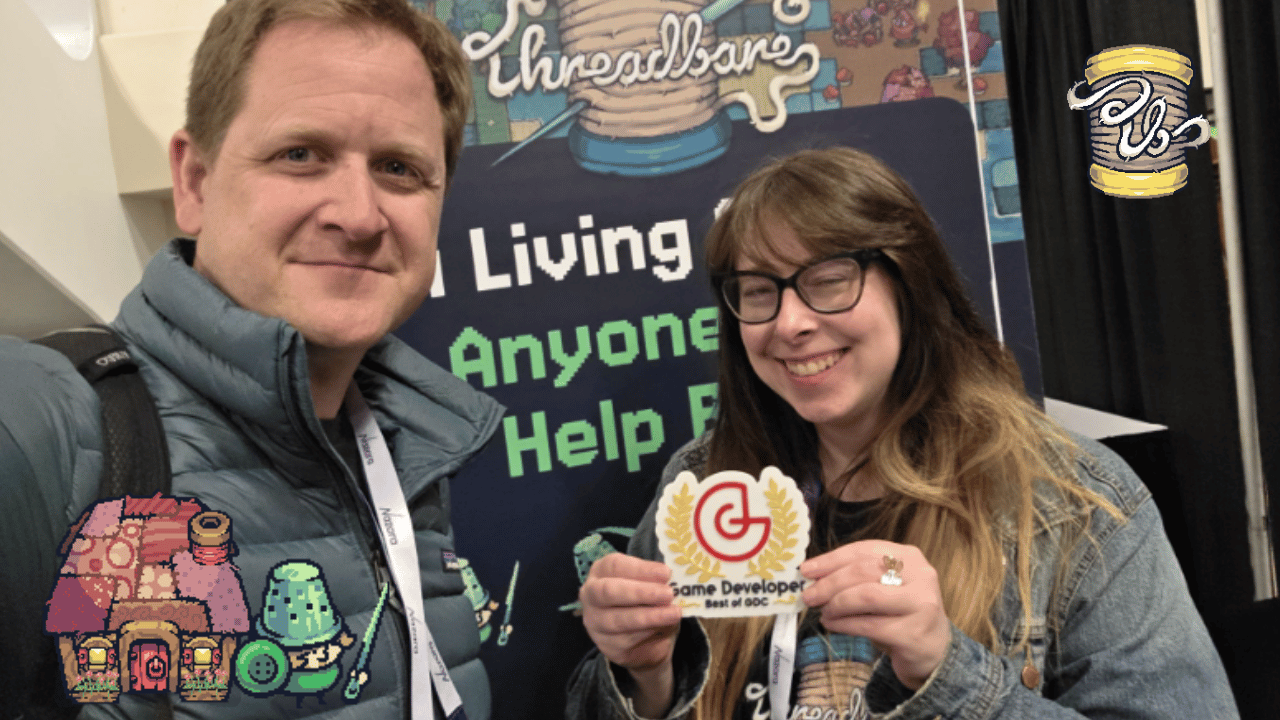
Para ganar la microcredencial, los alumnos deben contribuir a un verdadero juego de código abierto, muy genial y único juego llamado Threadbare. Su tarea principal: construir un StoryQuest, un minijuego jugable dentro de Threadbare.
Una StoryQuest requiere que los alumnos diseñen una experiencia narrativa, creen recursos artísticos y de sonido, definan la mecánica del juego, colaboren en equipos y, en última instancia, envíen un artefacto jugable. En otras palabras, hacen lo que hacen los verdaderos equipos creativos.
Heather, Directora de Programas de Aprendizaje en Endless Access, describe la filosofía detrás de este enfoque:
“No se trata de una calificación. Se trata de: Yo hice una cosa. Antes no existía. Ahora existe”.
Esto es lo que hace que la credencial sea significativa: siempre está atada a algo concreto, público, y jugable. Puedes ver ejemplos de estas StoryQuests, con recorridos de estudiantes, en este artículo relacionado:https://access.endlessstudios.com/blog/why-game-making-is-what-your-classroom-is-missing
Muchas de las StoryQuests que aparecen allí son los artefactos exactos que los alumnos crearon para obtener sus microcredenciales.
Por qué son importantes las credenciales basadas en evidencia
No todas las microcredenciales son iguales. En un mundo inundado de insignias digitales, la credibilidad depende de la evidencia.
Heather resume el enfoque de Endless Access con tres principios:
“Queremos que las microcredenciales sean transparentes, basadas en evidencia y relevantes”.
Esto significa que los alumnos saben exactamente lo que deben lograr, cada credencial se vincula con el trabajo real y las habilidades reflejan las realidades actuales de la industria. El ASU Endless Games and Learning Lab ha adoptado el mismo estándar: cada credencial debe incluir un artefacto tangible, no solo puntajes de evaluación.
Esto convierte las credenciales en algo radicalmente diferente. Ya no son símbolos de finalización. Se convierten en prueba de contribución.

.jpeg)
.png)
.png)
.png)