When Was the Last Time You Climbed a Tree? (And why Play Matters for Learning)
Stephen Reid has had many lived before his current one. He's been a pilot, a trucker, a farmer in Scotland, a semi-professional footballer, and the owner of a zoo in South Africa. He has hunted a T-Rex, sailed as a pirate, fought alongside William Wallace, and even spent some time as a robot unicorn catching teardrops while jumping through rainbows.
None of that might have happened in the real world, but it happened nonetheless because every one of those experiences was made real for him through video games.
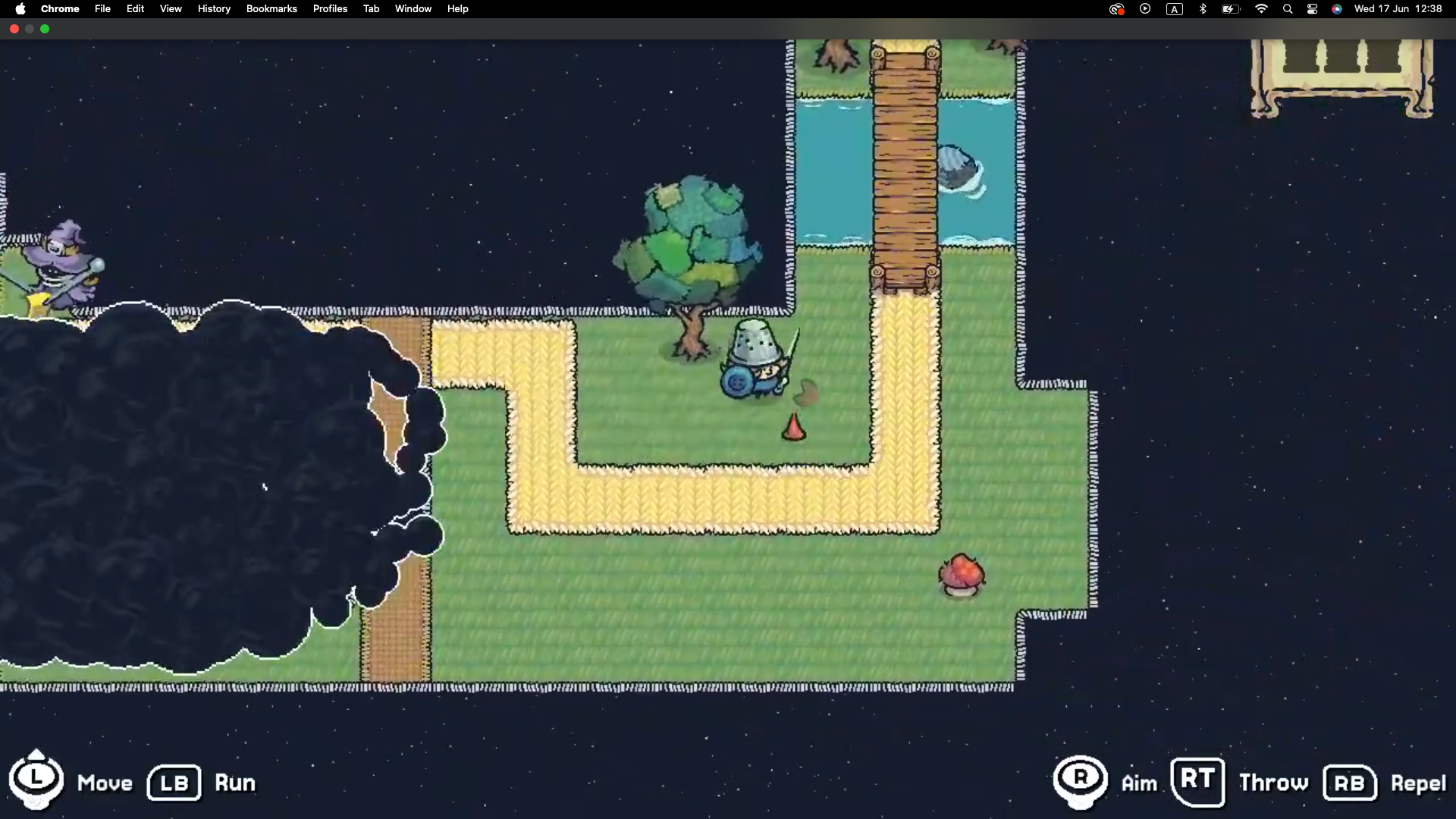
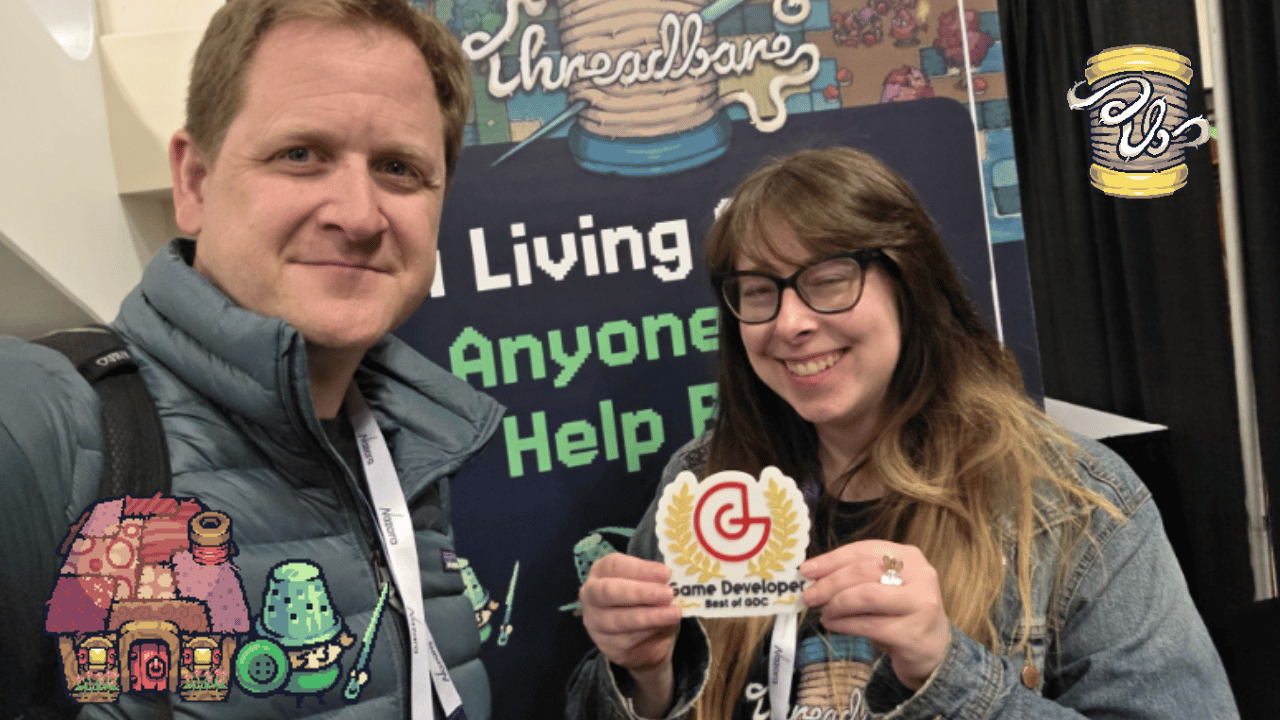
That's how Stephen, our VP of Learning and the creative director of Threadbare, opened the first episode of our new Play Matters series on the Loom Lounge. It's a talk he has given as a keynote at events like Serious Play, and the argument is simple: play isn't a break from learning. It's the engine of it.
The tree in Perth
There's a tree in a park in Perth, Scotland, right across from where Stephen used to live. It's a historic park, the site of the Battle of the Clans, and Stephen is the kind of person who walks past a tree like that and thinks: I could get up that.
So one quiet winter morning, he did. He climbed up, sat on a branch, and just stayed there until someone reported him. The police arrived and asked, in a very accusatory way, why he was up a tree. He asked why he needed to come down. The answer was simply: because you're up a tree.
That afternoon, kids climbed that same tree. Nobody called anyone. They kept climbing it all summer.
"We've told ourselves that adults playing is something completely different." Stephen Reid, VP of Learning, Endless Access
Search the internet for "man in tree" and you'll find people with a reason to be there: a botanist studying mushrooms, an arborist with a chainsaw, someone measuring trunks. Search "children in trees" and you get kids hanging upside down, pretending to be frogs, playing. Adults need a function, while kids get to play.
And then we take play away from kids, too
Stephen grew up playing Kerby in the street: stand in the road, throw a ball at the edge of the curb, and score points depending on the bounce and the catch. Kids played it all summer, every summer. Now, he doesn't see anyone playing it anymore.
Part of that is probably the cars, part of it is design. Across the UK you'll find "no ball games" signs on walls that are perfect for kicking a ball against. Some housing estates ban "all children's games." A small church in North Queensferry has perfect lawns on all four sides and a sign that says no games on church grounds. Not ball games. Any games.
Cities spend public money on anti-skateboarding studs, sometimes disguised as art installations so they look nicer. Skateparks get pushed out of the center into concrete spaces on the edge of town. Newspaper headlines describe cities becoming child-free zones, designed for high-spending adults instead of families.
And then we wonder why kids say there's nothing to do.
So where are the kids?
They're in games. The Legend of Zelda: Tears of the Kingdom sold 10 million copies. Baldur's Gate 3 peaked at around 875,000 concurrent players. Black Myth: Wukong hit about 3 million concurrent players in its opening weekend. That's where young people are spending their time, their attention, and their imagination. If the outside world doesn't allow them to play, they'll find a different environment to do so.
Stephen has spent his career asking one question: if that's where play lives now, how do we make it matter more, especially in education?
What game-based learning looked like before it had a name
Stephen's first classroom game was Command & Conquer: Red Alert. He was teaching World War II to students who couldn't tell Britain from France on a blank map. So he put a blank map on the wall and had them play through the war, territory by territory. By the end, they could explain what happened, when, and where, and draw the Danube on a blank map.
Then came Tomb Raider. Following Lara Croft around the world turned into learner packs about the countries she visited: food, currency, population, religion, exchange rates. That work grew into a game-based learning pack that went out to schools across the UK and later France and Sweden, around 2012.
The list kept growing:
- LittleBigPlanet to model 400 million years of fossil fuel formation. It's also one of the big inspirations behind Threadbare.
- Age of Empires map tools to rebuild historical journeys, then explain every choice they made on the map.
- Universe Sandbox to change the moon's mass by 0.2% and watch what happens over 25,000 years.
- Portal for speed, angle, and velocity.
- Valiant Hearts to explore the human side of World War I without violence.
- Papo & Yo and Please Knock on My Door, with therapy services, to open conversations about alcoholism and depression that are hard to start any other way.
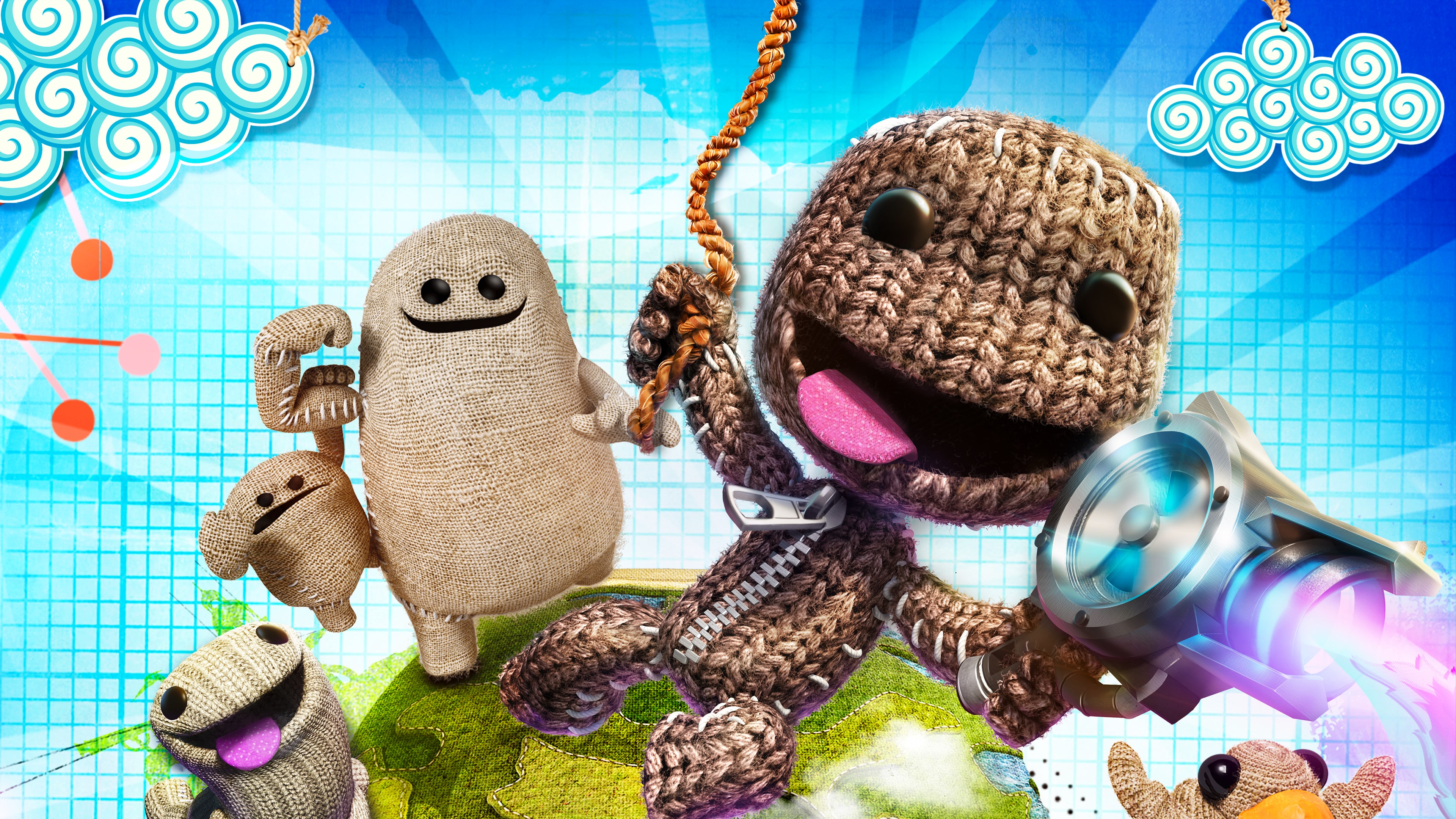
source: https://www.playstation.com/ar-ae/games/littlebigplanet-3/
Let them play first
One of the most practical ideas in the talk is also the simplest. When we run Threadbare programs, the first instruction is: go play the game. Thirty minutes. Win, lose, get stuck, try again.
That play lights the fire for everything else. "I got stuck on this level" turns into a level design lesson. "I would have done this differently" turns into designing a new character.
Stephen asked educators to be honest about the classroom version of this. You hand out equipment and say "don't touch it until we're ready." Someone pings the ruler. Someone picks up the glass. That's not misbehavior. That's curiosity warming up.
Play that builds real things
Some of Stephen's favorite projects mixed play and learning so completely that you couldn't separate them:
9 million LEGO pieces. Kids got 30 to 40 minutes to just play. Then they learned about hydroelectric power and built working dams, with reservoirs, release gates, and even a fish ladder. The next day they rebuilt them in Minecraft.
Penicuik House. Students measured, sketched, photographed, and explored a Scottish house that burned down in 1899, rebuilt it at one-to-one scale in Minecraft, and then recreated the fire. Every student took home a 3D-printed model of the ruins. That project led to Build It Scotland with the BBC.
Toys that became classrooms. In South Africa, kids designed toys in Minecraft, 3D printed and painted them, and sold them. The money bought bricks to build classrooms in communities with no school.
Why this is the foundation of Threadbare
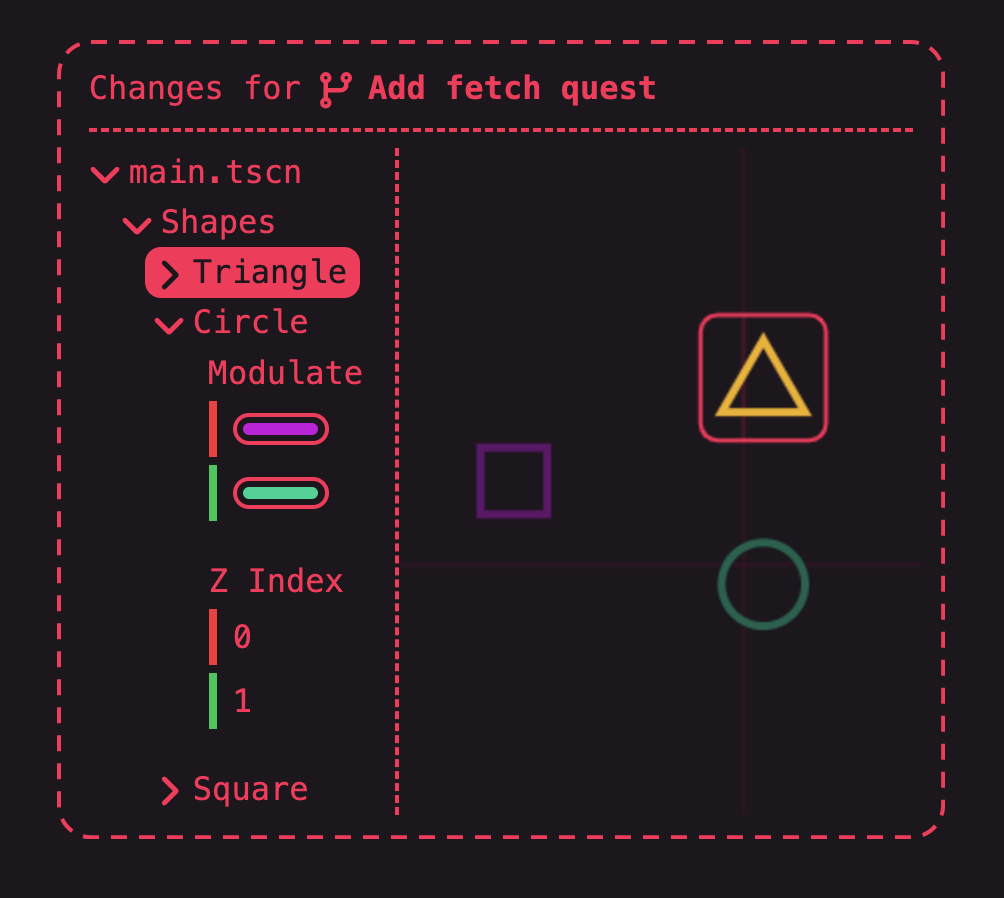
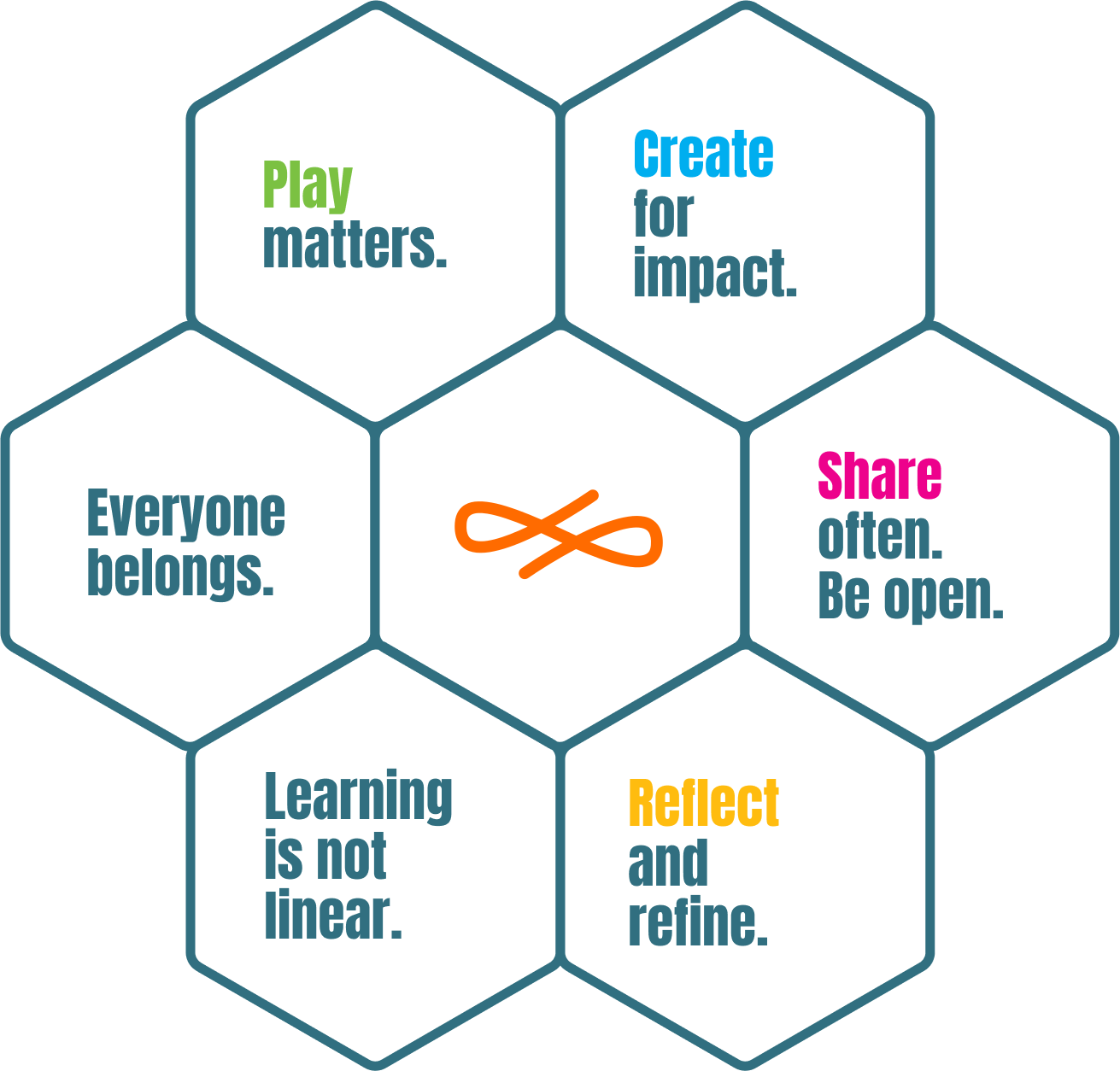
Technology changes. Game engines change. AI will change things. Devices will change. But the core principle behind Threadbare stays the same: play is the engine of quality, immersive, impactful learning. It's how we get learners through the hard parts, like code, Git, and game engines, and it's why Play Matters sits right alongside Everyone Belongs and Create for Impact in our pedagogical principles.
Play Matters will be a monthly series on the Loom Lounge for at least the next six months. This was the first one.
Go play
Play Threadbare. It's free and open to everyone.
Learn how Threadbare works as a game-based learning tool.
Explore our programs to bring playful learning to your learners.
And then, if you can, go climb a tree.